In today’s rapidly evolving digital landscape, successful products are no longer built by teams working in isolation. Modern companies rely heavily on strong collaboration between product design and product management to deliver meaningful, scalable, and user-centered digital experiences. While product designers focus on creating intuitive interfaces and seamless UX product design, product managers drive strategy, roadmap, and overall business alignment.
When these two disciplines come together with a shared vision, they bridge the gap between designing a product and building a product that actually performs in the market. This collaboration ensures that every feature is backed by user insights, strategic decisions, and innovative thinking.
Why Collaboration Between Design and Product Management Is Critical
A product succeeds only when it blends cre ative design with strategic direction. That’s why collaboration between the product design team and product management team is essentia l.
Here’s why:
1. Shared Understanding of Product Goals
Product Managers define the “why” — the product vision, market opportunity, and business outcomes.
Product Designers define the “how” — user flows, interactions, visual hierarchy, and usability.
When the product designer vs product manager roles align, they create solutions that satisfy both users and business goals, leading to stronger product design and development outc omes.
2. Faster, Smarter Decision-Making
In many teams, delays come from miscommunication between design and product strategy. But collaborative teams work within an integrated workflow using agile product management, design sprints, and shared research insights, reducing rework and accelerating delivery.
3. Stronger Product-Market Fit
The best products combine user needs, market insights, and innovative design. Aligned teams use data-driven insights from Digital Product Design, market research, and prototyping to ensure the product resonates with real users — boosting user satisfaction an d long-term adoption.
4. Reduced Silos & More Consistent User Experience
When design works separately from product management, inconsistencies arise.
But when teams collaborate, the product feels cohesive and intentional, especially in areas like:
- product design strategy
- digital product design services
- product management and user experience
- continuous product design
- product design and product development
This alignment ensures a better experience across the entire user journey.
The Impact of Alignment on Product Success and User Satisfaction
A well-aligned product design vs product management approach makes a measurable difference:
- Products become more intuitive and user-friendly
- Roadmaps become more accurate and achievable
- Design decisions support business strategy
- Teams deliver faster with fewer iterations
- Users get a polished, high-quality experience
- Businesses see better retention, conversions, and growth
Collaboration enhances key processes like design in product development, product management lifecycle, and digital product management, ensuring the final outcome is both functional and delightful.
Understanding the Roles: Product Designer vs Product Manager
In today’s fast-paced digital landscape, building successful products requires more than just ideas—it demands collaboration, clarity, and alignment between roles. Two of the most critical roles in this ecosystem are Product Designers and Product Managers. While they often work side by side, their responsibilities, focus areas, and ways of thinking are distinct, yet complementary. Understanding these differences is essential for teams aiming to deliver innovative, user-centered, and market-ready digital products.
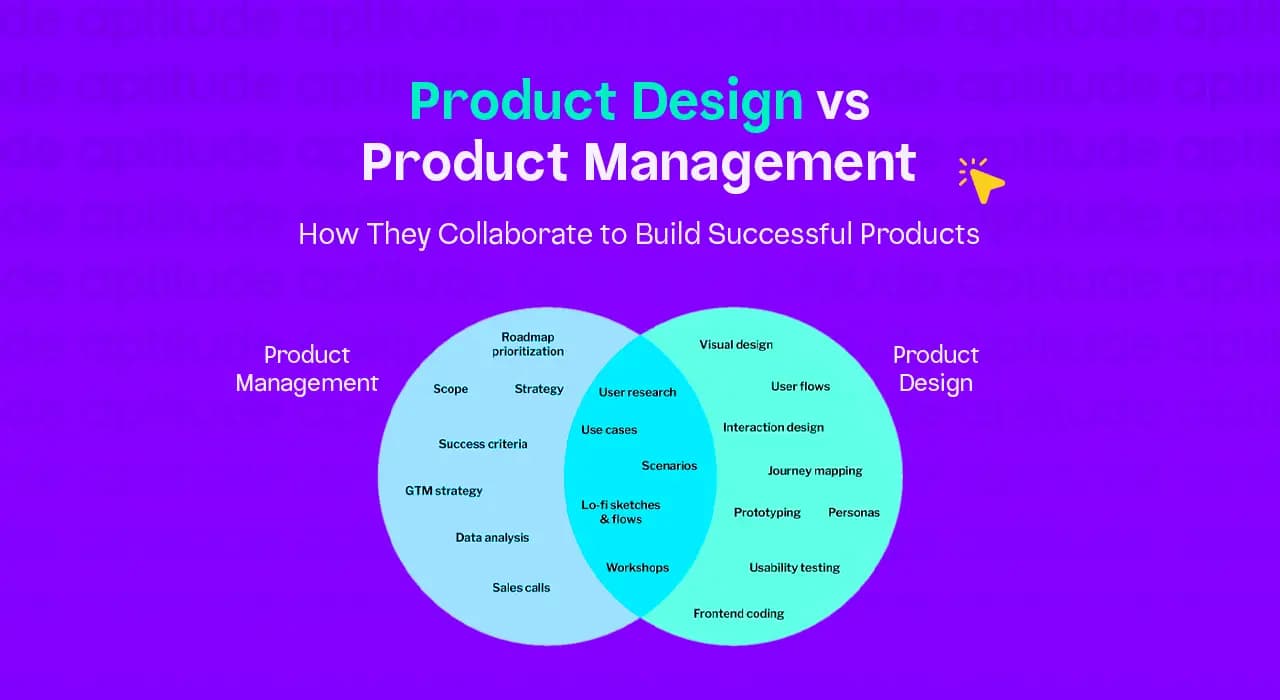
Product Designers are the champions of the user. They are responsible for creating intuitive, engaging, and aesthetically pleasing experiences. Their work encompasses everything from UX product design—mapping user flows, wireframing, and prototyping—to UI design, where they focus on visual hierarchy, accessibility, and brand consistency. Designers are the ones who translate insights from user research into actionable, tangible experiences that guide how users interact with a product.
On the other hand, Product Managers are the architects of the product strategy. They focus on the “why” and the “what” behind every feature. Product Managers define the product roadmap, set priorities, align stakeholders, and ensure that business goals are met. They oversee the product management lifecycle, making decisions that balance user needs with market demands, technical feasibility, and organizational objectives.
The magic happens when these two roles align. A designer’s deep understanding of user behavior combined with a PM’s strategic vision ensures that product design and development are not only visually compelling but also strategically sound. Misalignment, on the other hand, can result in beautiful interfaces that don’t solve real problems or well-planned strategies that fail to resonate with users.
In essence, the relationship between a product designer vs product manager is less about hierarchy and more about partnership. When they collaborate effectively, teams can:
- Translate user research insights into actionable product decisions
- Create experiences that balance UX and business goals
- Reduce time-to-market by streamlining design and development workflows
- Deliver products that are both delightful for users and successful in the market
Ultimately, truly understanding these roles lays the foundation for a human-centered, data-driven, and strategic approach to digital product design. It is this clarity that transforms isolated efforts into cohesive, high-impact outcomes, ensuring that every product launched is both functional and meaningful.
What Does a Product Designer Do?
A Product Designer is responsible for transforming ideas into functional, visually appealing, and intuitive digital experiences. While many think product design is only about UI, it is far broader. A modern product designer blends creativity, strategy, and deep user insight to solve real problems.
Key Responsibilities of a Product Designer:
1. UX (User Experience) Design
They map user flows, create wireframes, and ensure the product experience feels natural and frictionless. This is where UX product design becomes essential — understanding how users think, behave, and interact with digital products.
2. UI (User Interface) Design
Product designers craft visual elements — typography, colors, components, layouts — ensuring the interface is consistent, accessible, and aesthetically strong.
3. Prototyping & Testing
Before a feature is built, designers create interactive prototypes. These help validate usability, gather user insights, and reduce risk during product design and development.
4. User Research
Through interviews, surveys, and usability tests, designers collect data to understand what users truly need. This research informs not just design decisions, but also product design strategy.
Primary Goal of a Product Designer
To craft user-centered experiences that are intuitive, accessible, and aligned with the product vision.
Their success depends on how well they understand users and how effectively they solve real problems through design.
What Does a Product Manager Do?
A Product Manager (PM) is the strategic driver of the product. If the product were a ship, the PM is the captain who sets direction, defines priorities, and ensures the team is moving toward business goals.
Key Responsibilities of a Product Manager:
1. Strategy & Vision
PMs define the “why” behind the product — the purpose, target audience, market opportunity, and business impact. This includes competitive analysis, user research, and aligning the product with company goals.
2. Roadmap Planning
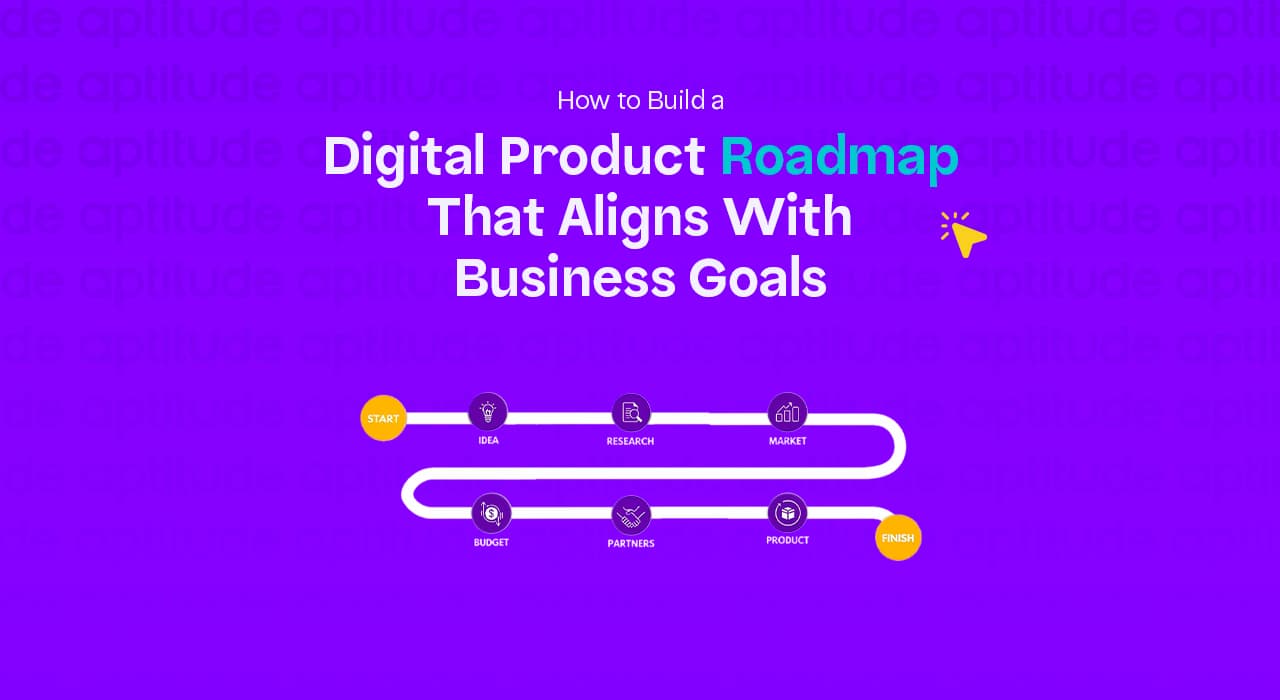
PMs create and manage the product roadmap — deciding what to build, when to build it, and why it matters. This process ties directly into the product management lifecycle and product management process.
3. Managing Business Outcomes
Product Managers ensure that every feature contributes to measurable results such as engagement, retention, revenue, or customer satisfaction. Their decisions balance user needs with business priorities.
4. Cross-Team Collaboration
They work closely with engineering, design, marketing, and stakeholders to keep everyone aligned. Their communication ensures smooth product design and product development execution.
Primary Goal of a Product Manager
To ensure product success — from strategy to delivery — and to keep the product aligned with business objectives, market needs, and user expectations.
Overlapping Skills
Even though their responsibilities differ, Product Designers and Product Managers share several core competencies. These overlapping skills are what make collaboration truly powerful.
1. Communication
Both roles require constant communication with developers, stakeholders, and each other. Strong communication ensures clarity across strategy, designs, and implementation.
2. Understanding Users
PMs analyze user needs from a business and market perspective, while designers explore them through behavior, usability, and experience. Together, they provide a 360° understanding of users.
3. Problem-Solving
Whether it’s fixing usability issues or deciding which features matter most, both roles actively solve problems. This shared mindset is essential for effective product and design development.
4. Prioritization
Both must determine what brings the most value to designers in UX and UI decisions, PMs in roadmap and strategy. When they prioritize together, product outcomes significantly improve.
Product Design and Management: Why Collaboration is Essential
In the world of modern digital products, the success of a product depends less on individual brilliance and more on how well Product Designers and Product Managers work together. Collaboration bridges the gap between design creativity and strategic decision-making, ensuring that products are not only beautifully designed but also aligned with business goals and user needs.
A strong collaborative culture enhances product design and development, increases efficiency, and strengthens product management and user experience outcomes. Without it, teams often face delays, misalignment, and products that miss the mark.
Avoiding Silos Between Design & Product Teams
One of the most common challenges in digital product development is silos. When Product Designers and Product Managers work independently, critical knowledge is lost. Designers might focus solely on UX product design, while PMs prioritize strategy, creating friction in workflows and misaligned expectations.
By fostering collaboration, teams can:
- Share insights from user research and market analysis
- Align product design strategy with business objectives
- Ensure that product design and development services are integrated across teams
Breaking down silos means the product design team and product management team communicate constantly, resulting in a coherent roadmap and a unified vision for every digital product.
Ensuring Product-Market Fit
A product is only successful if it solves real problems for its target audience. Collaboration between designers and PMs ensures that the product not only looks good but also delivers measurable value.
- Product Managers bring insights from the product management lifecycle, competitive analysis, and market trends.
- Product Designers translate these insights into intuitive interfaces, prototypes, and experiences.
Together, they create products with strong product-market fit, balancing user needs, business goals, and technical feasibility. This approach reduces wasted effort and ensures that the product resonates with real users, improving adoption, retention, and satisfaction.
Keywords added naturally: product management lifecycle, product-market fit, product designer responsibilities, product design and management, digital product design
Faster Iterations & Better Decision Making
Collaboration accelerates the product design and development process. When designers and PMs work in sync:
- Decision-making is faster: Issues are addressed in real-time rather than after lengthy review cycles.
- Iterations are smarter: Feedback loops incorporate both design insights and business priorities.
- Resource efficiency increases: Teams avoid unnecessary rework and optimize workflows.
For example, during an agile sprint, a Product Designer can quickly prototype a feature while the Product Manager ensures it aligns with the roadmap and KPIs. This combination of agile product management and continuous product design reduces errors, increases speed to market, and produces higher quality outcomes.
Key Collaboration Workflows
Collaboration between Product Designers and Product Managers is most effective when structured through clear workflows. These workflows ensure that every team member understands their role, decisions are data-driven, and digital product design and development progresses smoothly. By integrating strategy, design, and execution, teams can deliver products that are both user-friendly and aligned with business goals.
Joint Planning & Roadmapping
At the beginning of every project, alignment on product goals and priorities is critical. Product Managers define the roadmap, strategic objectives, and business outcomes, while Product Designers bring in insights from UX product design, usability testing, and user research.
Together, they:
- Prioritize features that deliver the most value
- Ensure the roadmap balances business needs with user experience
- Integrate product design strategy into the overall product vision
This joint planning phase prevents misalignment between design and strategy, enabling the team to move efficiently from concept to execution. It also reinforces the importance of collaboration throughout the product design and management workflow.
Sprint Planning & Agile Methodology
In agile environments, sprint planning is where designers and PMs work closely to define short-term deliverables. Agile product management allows teams to iterate quickly while keeping design and business priorities in sync.
During sprint planning:
- Product Managers communicate priorities based on user needs and business KPIs
- Product Designers plan wireframes, prototypes, and design deliverables aligned with the sprint goal
- Both roles collaborate on acceptance criteria, ensuring the output meets both UX product design standards and strategic objectives.
Agile sprints make the process flexible, allowing continuous product design improvements while keeping the product management lifecycle on track.
Feedback Loops
A strong feedback loop ensures that user insights directly inform product decisions. The process is simple but powerful:
- Designers release prototypes or MVPs
- Users interact with the product and provide feedback
- Product Managers analyze feedback and prioritize changes
- Designers implement design iterations based on insights
This cycle fosters better product-market fit and ensures product design and product development stay aligned with real user needs. Regular feedback also encourages collaboration between the product designer and product manager, creating a culture of continuous improvement.
Design Handoff & Implementation
Once the designs are finalized, a smooth handoff to development teams is critical for maintaining quality and efficiency. Tools like Figma, Zeplin, and Jira help bridge the gap between design and product management:
- Figma: For interactive prototypes and design specs
- Zeplin: For translating designs into developer-ready assets
- Jira: For tracking tasks, issues, and sprint progress
The handoff process ensures that designs are implemented accurately, reducing iterations and rework. It also reinforces transparency between designers, PMs, and developers, creating a seamless digital product design and development workflow.
Challenges in Designer-PM Collaboration
Collaboration between Product Designers and Product Managers is essential for building successful digital products, but it is not always smooth. Even experienced teams face challenges that can slow down the product design and development process and affect both user experience and business outcomes. Understanding these challenges is key to creating a productive, aligned, and creative workflow.
Misaligned Priorities
One of the most common challenges is misaligned priorities. Product Designers often focus on perfecting UX product design, improving usability, and crafting visually compelling interfaces. On the other hand, Product Managers prioritize business outcomes, roadmap deadlines, and strategic goals.
This difference can create tension. For instance, a designer might want to iterate on a feature to improve user experience, while the PM is focused on launching quickly to meet a business milestone. Without alignment, teams risk delivering a product that is either functionally strong but not user-friendly, or visually perfect but strategically weak.
How this impacts product success:
- Slows down product design and product development
- Leads to friction in decision-making
- Reduces overall user satisfaction
By aligning priorities through joint planning and shared product design strategy, teams can ensure that design decisions directly support business goals while keeping the user at the center.
Communication Gaps
Poor communication is another significant challenge. Designers and PMs may work on the identical product but interpret requirements differently. Without clear communication, design iterations may not match the intended product management objectives, and development teams may implement features incorrectly.
Common examples of communication gaps:
- Design specs misinterpreted by engineers
- PM priorities are not clearly shared with the product design team
- Feedback from users is not relayed effectively between design and strategy
To overcome this, teams can use tools like Figma, Zeplin, and Jira for documentation and progress tracking. Regular meetings, stand-ups, and open discussions help bridge these gaps, creating a smoother product design workflow.
Conflicting Goals
Conflicting goals often arise because designers and PMs evaluate success differently. Product Designers aim for intuitive, aesthetically pleasing, and accessible experiences, while Product Managers focus on KPIs, market fit, and business objectives.
Without collaboration:
- Designers may spend time enhancing features that do not impact business results
- PMs may push for features that meet metrics but compromise UX product design
- Teams risk delivering a product that satisfies neither the user nor the business
The solution is shared understanding and transparent processes. By defining responsibilities clearly and aligning on the product management lifecycle, teams can balance design creativity with strategic goals, ensuring a cohesive final product.
Solutions to Overcome Challenges
Successful teams overcome collaboration challenges through structured approaches:
- Joint Roadmaps and Planning: Align product design strategy with roadmap milestones so designers and PMs are on the same page from day one.
- Regular Communication: Daily stand-ups, design reviews, and feedback sessions keep everyone informed and prevent misalignment.
- Clear Role Definitions: Specify who makes decisions about design, strategy, and implementation. This clarity reduces conflicts and ensures accountability.
- Continuous Feedback Loops: Incorporate user testing, analytics, and iterative design updates to maintain alignment between user experience and business goals.
- Agile Collaboration: Using agile product management frameworks allows teams to iterate quickly, adapt to changes, and maintain alignment throughout the product design and development process.
When implemented thoughtfully, these solutions create a collaborative environment where Product Designers and Product Managers can focus on their strengths while driving digital product design that truly meets user needs and business objectives.
Best Practices for Successful Collaboration
Collaboration between Product Designers and Product Managers is essential for building digital products that are not only visually compelling but also strategically sound. By following structured practices, teams can optimize product design and development, align design creativity with business objectives, and deliver user-centered digital products that succeed in the market.
Clear Roles & Responsibilities
One of the most important practices for effective collaboration is establishing clear roles and responsibilities. Every team member must know their scope to avoid confusion or duplication of effort. Product Designers focus on crafting UX Strategy, creating prototypes, performing user research, and translating insights into functional, visually appealing interfaces. Meanwhile, Product Managers oversee strategy, roadmap planning, prioritization, and alignment with business goals.
By clearly defining responsibilities, teams can prevent conflicts and enhance accountability. Designers can concentrate on continuous product design improvements and usability, while PMs ensure that these design solutions fit within the product management lifecycle and overall business strategy. This clarity enables a workflow where digital product design and business objectives complement each other, making collaboration efficient and purposeful.
Regular Sync Meetings
Regular sync meetings are crucial to keep design and product strategy aligned. Daily stand-ups, sprint planning sessions, and design reviews allow Product Designers and Product Managers to communicate updates, resolve challenges, and ensure that design and strategy decisions are synchronized.
During these meetings, designers share prototypes, user feedback, and product design strategy insights, while PMs provide context about priorities, timelines, and business goals. This continuous interaction not only reduces miscommunication but also ensures that product design and development moves forward cohesively. By maintaining consistent dialogue, teams can adapt quickly to changes, iterate effectively, and enhance both product management and user experience.
Shared KPIs & Goals
Aligning on shared KPIs and goals is critical for productive collaboration. When both designers and PMs understand what success looks like, decisions across UX product design, feature prioritization, and roadmap planning become more focused.
For example, designers may track engagement, usability, and task completion rates, while PMs focus on retention, conversion, and revenue metrics. When these metrics are shared, teams create a unified vision where every design iteration supports measurable outcomes. This approach strengthens product design and management, ensures user-centered decision making, and balances user needs with business objectives.
User-Centered Decision Making
The best collaborative teams prioritize user-centered decision making. Designers bring deep insights from usability testing, prototyping, and research, while PMs integrate market analysis, strategic goals, and business KPIs.
By combining these perspectives, the team ensures that product decisions enhance the user experience while meeting business targets. This approach fosters digital product design that is functional, intuitive, and aligned with the product management lifecycle. Collaboration in this context helps create products that users love and that achieve measurable business success.
Collaborative Tools & Platforms
Tools and platforms are the glue that hold collaboration together. Applications like Figma for prototyping, Zeplin for handoff, and Jira for task management allow Product Designers and Product Managers to maintain visibility across the product design workflow.
These tools enable smooth handoffs, clear documentation, and real-time updates, reducing miscommunication and ensuring that the product design and development process remains seamless. Integrating these tools into the daily workflow supports continuous product design, keeps the team aligned on goals, and allows PMs to track progress and roadmap adherence effectively.
Maximizing User-Centered Success with Designer-PM Partnerships
Collaboration between Product Designers and Product Managers is not just a nice-to-have—it is essential for delivering digital products that succeed in both user experience and business outcomes. Throughout the product lifecycle, alignment between design creativity and strategic decision-making ensures that every feature, interaction, and interface serves a clear purpose. When teams work together effectively, it reduces friction, accelerates development, and produces products that are intuitive, engaging, and impactful.
Strong collaboration fosters shared understanding of goals, responsibilities, and success metrics. Designers bring insights from UX product design, prototyping, and continuous product design, while PMs contribute strategy, roadmap planning, and alignment with product management lifecycle objectives. By working in sync, teams create a seamless product design and development workflow, resulting in products that delight users, achieve business targets, and maintain long-term market relevance.
At the heart of successful collaboration is the commitment to user-centered decision making. Aligning on shared KPIs, regular communication, and using collaborative tools ensures that both digital product design and product management contribute to measurable outcomes. Products developed with this level of alignment not only satisfy users but also provide a clear competitive advantage in the market.
For teams and individuals looking to deepen their understanding of building successful products, exploring Digital Product Design and Management resources on Aptitude Digital is the next step. These resources provide actionable insights, best practices, and expert guidance to enhance collaboration, improve product design and development, and deliver digital experiences that resonate with users.
Frequently Asked Questions
How do Product Designers and Product Managers work together?
Product Designers and Product Managers collaborate throughout the product design and development workflow. Designers focus on UX product design, prototyping, and continuous product design, while PMs handle strategy, roadmap planning, and alignment with the product management lifecycle. Together, they ensure digital product design is user-centered and aligns with business goals, delivering successful products.
Can a Product Designer become a Product Manager?
Yes, a Product Designer can transition to a Product Manager role by gaining skills in product strategy, roadmap creation, business outcomes, and product design and management. Experience in digital product design, understanding of the product management lifecycle, and collaboration with PMs can help designers make this career move successfully.
What are the key collaboration tools between designers and PMs?
Answer: Key tools for collaboration include Figma for prototyping, Zeplin for design handoff, and Jira for task management. These tools support continuous product design, streamline the product design workflow, and improve efficiency in product design and development, ensuring alignment between Product Designers and Product Managers.
Why do many product teams fail without collaboration?
Product teams often fail without collaboration because misaligned priorities, communication gaps, and conflicting goals can slow product design and development. Lack of alignment between Product Designers and Product Managers results in products that fail to meet user expectations or business objectives, highlighting the importance of UX product design and digital product design integration with strategy.
Which skills help improve Designer-PM collaboration?
Key skills include clear communication, problem-solving, understanding user needs, prioritization, and knowledge of UX product design and product design strategy. Familiarity with the product management lifecycle, collaborative tools, and continuous feedback loops enhances product design and management, making collaboration between designers and PMs more effective.