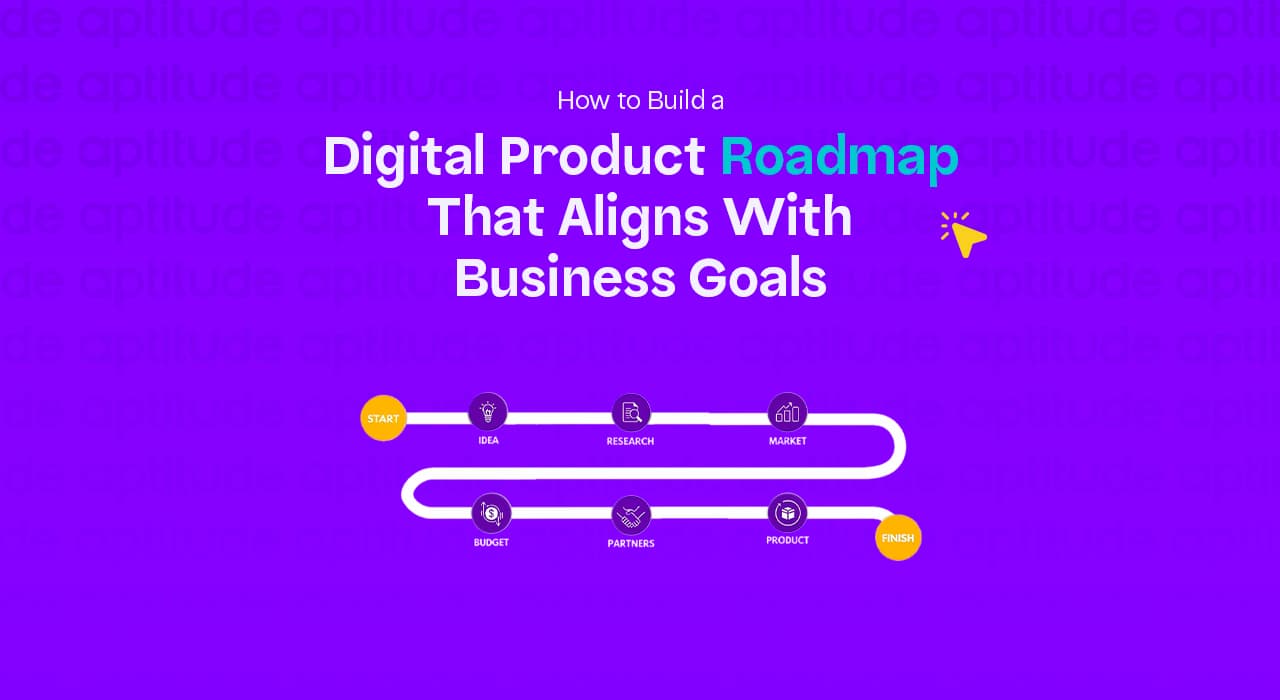
A digital product roadmap should guide growth, not just list features. Yet many teams build roadmaps that look structured on paper but fail to deliver real business impact. The reason is simple: the roadmap is not aligned with business goals.
Instead of focusing on outcomes, teams often follow a feature-driven approach, adding items based on ideas, requests, or trends. This disconnect leads to wasted effort, unclear priorities, and slow product success.
A strong roadmap, however, acts as a strategic layer within the digital product launch process, connecting product vision, user needs, and business objectives into one clear direction.
In this guide, you’ll learn how to build a product roadmap aligned with business goals, shift from feature-driven thinking to strategy-driven planning, and create a roadmap that drives measurable product success.
What a Product Roadmap Really Means in Modern Product Development
A digital product roadmap today is much more than a timeline of features. It’s a strategic tool that defines how your product will evolve to achieve specific business objectives. In modern product development, a roadmap connects long-term vision with day-to-day execution, ensuring every decision moves the product in the right direction.
Instead of simply listing tasks, a strong roadmap reflects product strategy, aligns teams around shared goals, and helps prioritize what truly matters. It brings together business needs, user expectations, and market opportunities into one clear plan.
Beyond Feature Lists — A Strategic Planning Tool
Many teams still treat roadmaps as a list of upcoming features. But a modern roadmap focuses on outcomes, not just outputs. It explains why something is being built, not just what is being built.
By shifting toward strategic product planning, teams can prioritize features based on impact, user needs, and business value—rather than assumptions or internal requests.
Connecting Vision, Strategy, and Execution
A well-defined roadmap acts as a bridge between your product vision, overall strategy, and execution. It ensures that every feature, update, or improvement contributes to larger business objectives.
This alignment helps teams stay focused, improves stakeholder alignment, and ensures that product execution is always tied to measurable outcomes—not random development decisions.
Why Aligning Product Roadmaps with Business Goals Matters
A product roadmap only becomes powerful when it’s aligned with clear business goals. Without alignment, teams may stay busy building features but fail to drive real outcomes like growth, revenue, or user retention. Aligning your roadmap with business objectives ensures that every effort contributes to measurable product success.
In modern digital product roadmap strategy, alignment helps bridge the gap between what teams build and what the business actually needs—making execution more focused, efficient, and impactful.
Ensuring Every Feature Supports Business Outcomes
Every feature should exist for a reason. When your roadmap is aligned with business goals, each feature directly contributes to outcomes like user growth, engagement, or revenue. This approach shifts the focus from “building more” to “building what matters,” ensuring your product development roadmap drives real impact.
Avoiding Wasted Development Time and Resources
Misaligned roadmaps often lead to building features that don’t add value. This results in wasted time, budget, and effort. By aligning with business goals, teams can prioritize effectively, avoid unnecessary work, and focus only on high-impact initiatives that support the overall product strategy.
Improving Team Focus and Decision-Making
When goals are clear, decision-making becomes easier. Teams know what to prioritize, what to delay, and what to avoid. This improves focus across product, design, and development teams, leading to faster execution and better stakeholder alignment.
Key Elements of a Business-Aligned Digital Product Roadmap
To build a product roadmap aligned with business goals, you need more than a list of features — you need a structured foundation. A strong roadmap combines vision, prioritization, and measurable outcomes to ensure every step supports your overall product strategy and business objectives.
These key elements help turn roadmap planning into a strategic advantage instead of just a planning exercise.
Clear Product Vision and Long-Term Goals
Every roadmap should start with a clear product vision. This defines where the product is heading and what it aims to achieve in the long run. When combined with long-term business objectives, it gives teams a clear direction and purpose.
Without a strong vision, roadmap decisions become reactive. With it, every feature and initiative supports a bigger goal within the product lifecycle.
Prioritized Features Based on Impact
Not all features are equal. Effective feature prioritization ensures that the most valuable work is done first. Instead of adding features randomly, teams should prioritize based on user needs, business impact, and strategic importance.
This is a core part of roadmap planning for digital products, helping teams focus on high-impact initiatives that move the product forward.
Defined Success Metrics and KPIs
A roadmap without measurable outcomes lacks accountability. Defining clear success metrics and KPIs allows teams to track progress and evaluate whether roadmap decisions are delivering results.
These metrics should be directly tied to business objectives, such as user growth, engagement, or revenue. This ensures that your roadmap is not just planned—but also optimized for real product success.
Step-by-Step Process to Build a Product Roadmap That Aligns with Business Goals
Building a roadmap that truly drives results requires more than planning features — it requires strategic clarity. A well-structured product roadmap aligned with business goals connects vision, user needs, and execution into one unified direction. When done right, it becomes a core driver within the digital product launch process, ensuring every effort contributes to measurable product success.
Identify Business Objectives and Market Needs
Start with clarity. Define what your business is trying to achieve — whether it’s growth, revenue, retention, or market expansion. At the same time, evaluate market demand, competitor gaps, and emerging trends. This ensures your roadmap is not built in isolation but grounded in real-world opportunities and business priorities.
Conduct User Research and Validate Assumptions
A roadmap without user insight is based on guesswork. Understanding real user behavior, pain points, and expectations helps validate your ideas before development begins. This is where the importance of UX design in product development becomes essential.
By aligning with UX design in product launch principles, you ensure that your roadmap reflects real user needs—not internal assumptions—leading to a better product-market fit.
Prioritize Features Based on Value and Effort
Strategic prioritization is the foundation of an effective roadmap. Instead of building everything, focus on what delivers the highest impact with the least effort. This approach helps teams move faster while maintaining alignment with business goals.
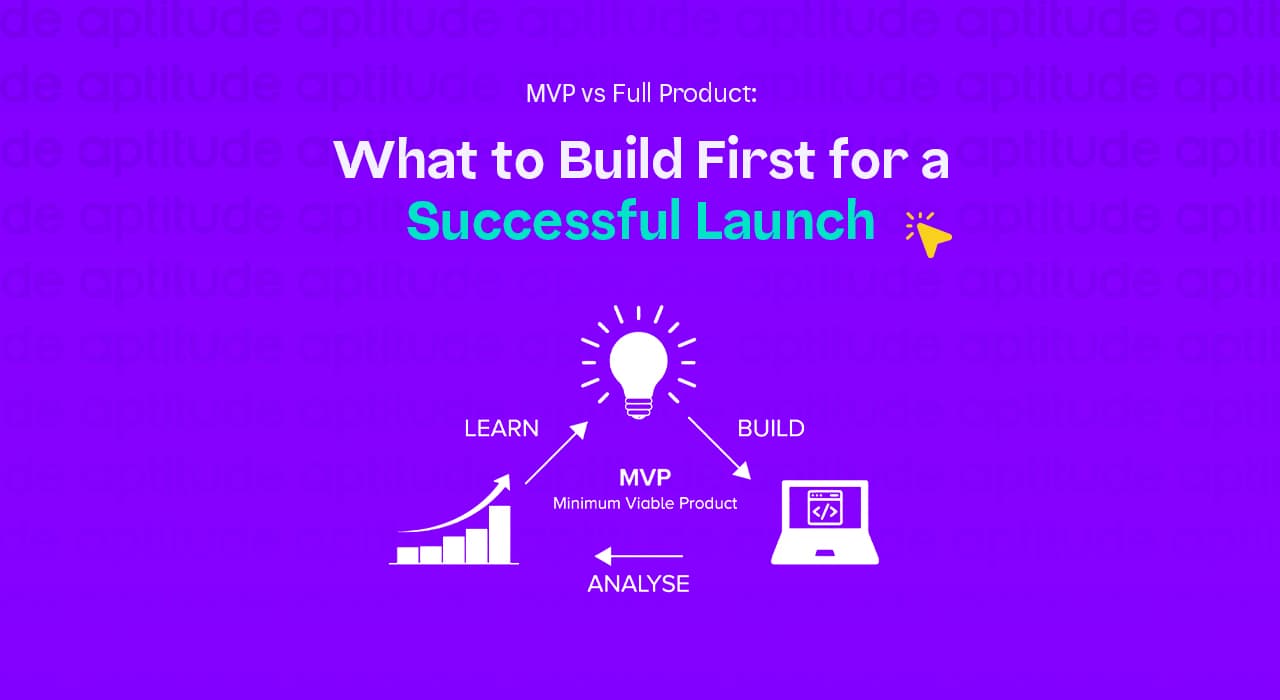
This is where concepts like (MVP vs full product) and (minimum viable product strategy) become critical — allowing you to launch with essential features first and expand based on validated success.
Create Timeline and Milestones
Once priorities are clear, structure your roadmap into realistic timelines and milestones. This provides clarity across teams and ensures everyone is aligned on what needs to be delivered and when. A well-defined roadmap improves execution speed and reduces uncertainty.
Continuously Review and Adjust the Roadmap
A roadmap is not static — it evolves with your product. Regularly review performance, user feedback, and changing business needs. This allows you to refine priorities, adapt to new insights, and keep your roadmap aligned with long-term goals.
Common Mistakes in Product Roadmapping
Even with a structured plan, many teams fail to build an effective roadmap because they focus on activity instead of outcomes. A poorly planned roadmap can slow down progress, waste resources, and weaken product success. Understanding these common mistakes helps you avoid gaps and build a roadmap that truly aligns with your product strategy and business goals.
Building Roadmaps Without Clear Business Strategy
One of the biggest mistakes is creating a roadmap without a defined business direction. When there are no clear business objectives, teams end up building features without purpose. This leads to misalignment between product efforts and actual business outcomes, making it harder to achieve growth or impact.
Overloading the Roadmap with Low-Impact Features
Trying to include too many features often results in a cluttered and unfocused roadmap. Not every idea adds value. Without proper feature prioritization, teams spend time on low-impact work instead of focusing on what truly matters. A strong roadmap prioritizes quality and impact over quantity.
Ignoring User Experience and Feedback
A roadmap that disregards users is bound to fail. Without feedback and usability insights, teams build based on assumptions rather than real needs. This is where the user experience in digital products and continuous feedback become essential, ensuring that every feature improves usability and supports real user behavior.
How Product Roadmaps Fit into the Digital Product Launch Process
A Digital product roadmap is not a separate planning document—it's a core part of the digital product design. It connects strategy with execution, ensuring that what you build, when you build it, and why you build it all support a successful launch. When aligned properly, a roadmap helps teams move with clarity, reduce uncertainty, and deliver outcomes that drive real product success.
Aligning Roadmap with MVP and Launch Strategy
A strong roadmap works closely with your launch approach. Instead of building everything at once, it helps you define what to launch first and what to improve later. This is where MVP vs full product and minimum viable product strategy become essential.
By focusing on core features first, teams can validate the product early, gather feedback, and refine the experience before scaling. This approach reduces risk and ensures that the launch is both efficient and impactful.
Supporting Scalable and Sustainable Product Growth
A roadmap doesn’t end at launch—it guides what comes next. Post-launch improvements, feature expansions, and optimizations should all be part of a long-term plan. This ensures that growth is not random but aligned with evolving business objectives and user needs.
By continuously updating the roadmap based on performance and feedback, teams can support sustainable growth and maintain strong alignment between product strategy and execution.
Conclusion (A Strong Product Roadmap Turns Strategy into Execution)
A well-defined product roadmap is what turns ideas into real outcomes. It connects your product vision, user needs, and business goals into a clear execution plan. Without it, teams may stay busy building—but struggle to create real impact.
When aligned properly, a roadmap becomes a key driver in the digital product launch process, guiding what to build, when to build it, and why it matters. It ensures that every decision supports product success, not just development activity.
In the end, a strong roadmap is not about planning more, it's about building smarter, staying focused, and delivering meaningful results that drive long-term growth.
Frequently Asked Question
What is a product roadmap in simple terms?
A product roadmap is a clear plan that shows what you’re building, why it matters, and how it supports your business goals over time.
How do you align a roadmap with business goals?
Start with clear business objectives, validate user needs, and prioritize features based on impact. Ensure every roadmap decision directly supports measurable outcomes