Launching a digital product today is no longer just about building something and putting it online. It’s about creating a structured path from idea to adoption. Where every decision is intentional, measurable, and aligned with real user needs.
Modern brands don’t win by launching faster.
They win by launching smarter.
A well-defined digital product launch process ensures your product is not only functional but also relevant, usable, and positioned for growth from day one.
Understanding the Digital Product Launch Process
Behind every successful digital product is not just a wonderful idea. A clear and well-executed strategy underpins every successful digital product. The difference between products that gain traction and those that fade away often comes down to how they are launched.
Understanding the digital product launch strategy means knowing how to connect product thinking, user experience, and market execution into one cohesive flow. It’s not about rushing to release; it’s about preparing the product, the message, and the user journey in a way that creates immediate clarity and long-term value.
For modern brands, this is where real impact begins — not at launch, but in how the launch is planned.
What Is a Digital Product Launch Process
A digital product launch process is a step-by-step framework that guides how a product moves from concept to market.
It combines:
- Product validation process to ensure real demand
- Product design process is focused on user experience
- MVP development to test core functionality
- User testing before launch to reduce friction
- A structured product launch roadmap for execution
Rather than treating development, design, and marketing separately, this approach creates a unified system where each stage informs the next.
In practice, it becomes the foundation of a digital product development process that prioritizes clarity, usability, and performance from the beginning.
Why Modern Brands Need a Structured Launch Approach
Many startups and companies fail not because of poor ideas, but because of weak execution.
Without a defined launch strategy for digital products:
- Teams skip proper product prototyping and validation
- UX decisions are made without real user insight
- Marketing efforts lack direction or timing
- Go-to-market efforts feel disconnected from the product
A structured approach solves this by aligning:
- Product development strategy
- UX/UI design workflow
- Product go-to-market strategy
This alignment ensures that what you build, how users experience it, and how you introduce it to the market all work together.
For modern brands, this is critical because users expect:
- Immediate clarity
- Seamless onboarding
- Meaningful value from the first interaction
Without this alignment, even well-built products struggle to gain traction.
Key Outcomes of a Successful Product Launch
A successful launch is not defined by release; it is defined by results.
When the right product launch checklist and strategy are followed, brands can expect:
- Faster market validation: The product reaches the right audience with a clear value proposition
- Higher user activation: Users understand and engage with the product quickly
- Stronger launch campaigns: A well-planned product launch marketing strategy creates early momentum
- Efficient growth foundation: The product is ready for scaling digital products without major rework
- Reduced risk in early stages: Decisions are backed by testing, not assumptions
Ultimately, a strong launch creates a clear path from startup product launch to sustainable growth.
Complete Digital Product Launch Framework
A successful launch is never accidental — it is the result of a well-structured digital product launch framework where every phase is connected, intentional, and aligned with business goals. Modern brands don’t treat launching as a single event; they treat it as a system that moves from validation to growth with clarity and control. When executed properly, this framework ensures that your product is not only built efficiently but also introduced to the market in a way that drives real adoption and long-term success.
Overview of the Step-by-Step Process
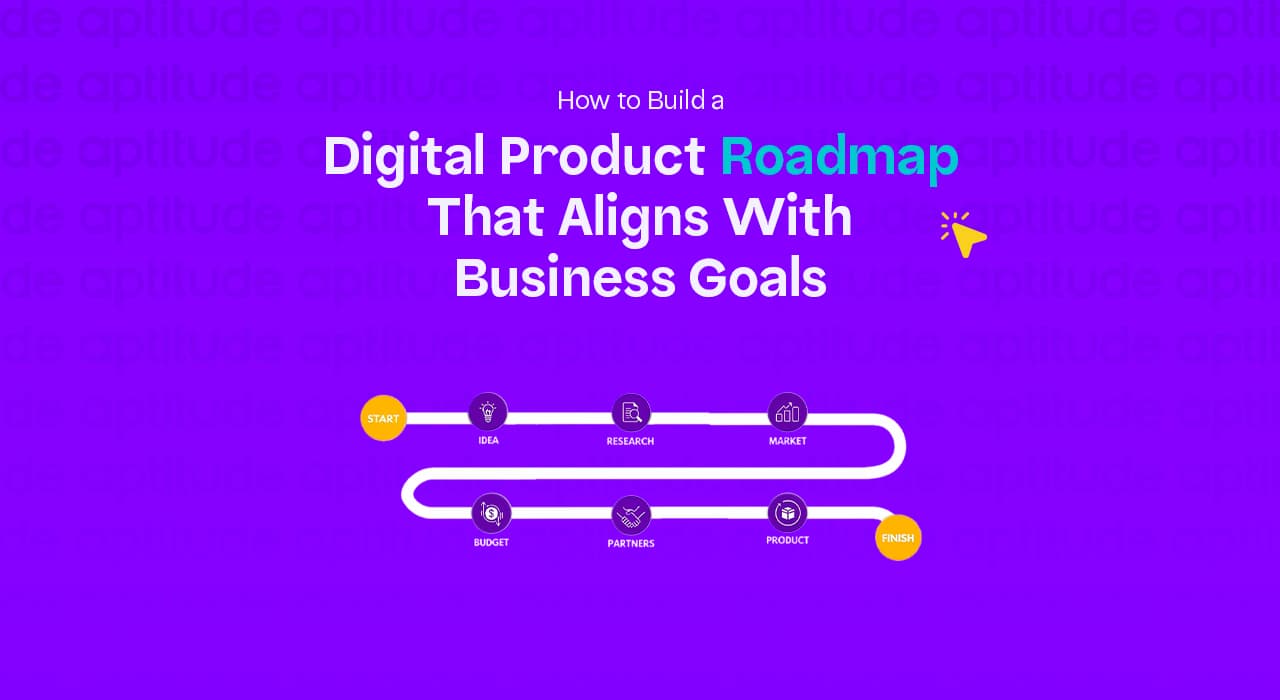
Every high-performing product follows a clear path, even if it looks different on the surface. At its core, the journey includes research, planning, design, development, and launch — but what truly matters is how these stages are connected. A strong product launch planning approach ensures that insights gathered early in the process directly influence design decisions, development priorities, and ultimately the product go-to-market strategy. Instead of fragmented execution, this creates a continuous flow where each step strengthens the next.
Research and Validation Phase
The foundation of any successful launch begins with understanding the problem deeply before attempting to solve it. This phase focuses on the product validation process, where ideas are tested against real user needs and market demand. Rather than relying on assumptions, teams invest time in research, competitor analysis, and early feedback to confirm whether the product is worth building. This step plays a critical role in any startup product launch, as it minimizes risk and ensures that resources are directed toward something that has genuine potential.
Strategy and Planning Phase
Once validation is established, the focus shifts toward defining how the product will come to life. This is where a clear product launch roadmap is created, outlining priorities, timelines, and key milestones. It also involves shaping the product development strategy, deciding what should be included in the MVP, and aligning business objectives with user expectations. Strong planning ensures that both product and marketing efforts move in the same direction, forming a solid base for execution without confusion or unnecessary iteration.
Design and Development Phase
At this stage, the product starts to take form through a structured UX/UI design workflow and iterative development. The goal is to translate strategy into a usable and intuitive experience by focusing on product prototyping, interface clarity, and seamless interactions. Instead of aiming for perfection, teams prioritize building a functional MVP through MVP development, followed by user testing before launch to identify friction points early. This approach ensures that the product is not only technically sound but also aligned with real user behavior.
Launch and Growth Phase
The final phase is when the product meets the market, but it is not just about going live. It is about creating momentum. A well-executed product launch marketing plan ensures that the right audience discovers the product at the right time with a clear value proposition. Through a focused product launch campaign and ongoing digital marketing for product launch, brands can drive early traction while collecting insights for continuous improvement. This phase is where execution, feedback, and growth strategies come together to shape the product’s future.
How Each Phase Connects to Business Success
What makes this framework effective is not just the individual phases, but how they connect to form a complete system. Validation ensures that the product solves a meaningful problem, strategy ensures that the solution is aligned with business goals, design ensures that users can engage with it effortlessly, and launch ensures that the product reaches and resonates with the right audience. When these elements work together, they create a strong foundation for product lifecycle management and enable brands to move confidently toward scaling digital products.
Step 1: Market Research and Product Validation
Every successful digital product starts long before development — it starts with clarity. This phase focuses on building that clarity through deep research and a structured product validation process. Instead of jumping into execution, modern teams invest time in understanding users, analyzing the market, and validating ideas to ensure they are solving the right problem. This step is critical in shaping a strong digital product launch strategy, as it reduces risk and sets the foundation for everything that follows.
Identifying Target Users and Market Demand
A product cannot succeed if it tries to serve everyone. The first step is to clearly identify who the product is for and whether there is real demand in the market. This involves defining specific user segments, understanding their behaviors, and evaluating whether the problem you are solving is significant enough for them to take action. Strong product launch planning always begins with this level of clarity, as it directly influences product design, messaging, and go-to-market decisions.
Defining Ideal Customer Profiles
Defining ideal customer profiles means going beyond basic demographics and focusing on real-world behavior, motivations, and expectations. It involves identifying who your most valuable users are, what they are trying to achieve, and how they currently solve their problems. A well-defined profile helps guide both the product design process and the overall product development strategy, ensuring that every feature and experience is built with a clear audience in mind.
Understanding User Problems and Needs
Understanding user problems is not about assumptions — it is about uncovering real pain points. This requires analyzing user behavior, identifying friction in existing solutions, and recognizing gaps that are not being addressed effectively. When done correctly, this step provides the insight needed to build a product that feels relevant from the very first interaction. It also plays a key role in shaping a more effective launch strategy for digital products, as messaging becomes directly aligned with user needs.
Analyzing Competitors and Market Gaps
Once user demand is understood, the next step is to evaluate the existing market landscape. Competitor analysis helps identify what is already working, what is missing, and where opportunities exist. Instead of copying competitors, the goal is to position your product in a way that offers clearer value and a better experience. This step strengthens the overall product go-to-market strategy by ensuring your product stands out in a crowded market.
Direct Competitor Analysis
Direct competitor analysis involves studying products that solve the same or similar problems. This includes evaluating their features, user experience, pricing models, and positioning. By understanding their strengths and weaknesses, you can identify areas where your product can differentiate. This insight directly informs both the UX/UI design workflow and the messaging used in your product launch campaign.
Opportunity Identification
Opportunity identification focuses on finding gaps that competitors have overlooked. These gaps could be in usability, feature simplicity, pricing, or even how the product communicates value. Recognizing these opportunities allows you to build a product that is not just competitive, but strategically positioned for success. This is where real differentiation happens — and where strong ideas begin to take shape within the broader digital product development process.
Validating Product Ideas Before Development
Before investing in full-scale development, it is essential to validate whether users are actually interested in your product. Validation ensures that you are not building based on assumptions, but on real signals from the market. This step is a core part of any effective digital product launch framework, as it helps confirm demand early and refine the product direction before resources are committed.
User Interviews and Surveys
User interviews and surveys provide direct insight into how potential users think, what they struggle with, and how they perceive your idea. These conversations help uncover deeper motivations and validate whether the problem is significant enough to solve. They also help refine product positioning and strengthen the foundation for product launch marketing.
Landing Page Testing
Landing page testing is one of the fastest ways to measure interest in your product. By presenting a clear value proposition and tracking user actions such as sign-ups or clicks, you can validate whether people are genuinely interested. This method provides early feedback on both the product idea and the messaging, helping improve your pre-launch marketing strategy before the actual launch.
Early Demand Signals
Early demand signals are indicators that show whether your product has real market potential. These can include sign-ups, waitlist growth, engagement levels, or even direct inquiries from users. These signals help confirm that your idea resonates with the market and provide confidence to move forward with development. They also play a crucial role in shaping future growth strategy for digital products, as they offer insight into how users are likely to respond post-launch.
Step 2: Product Strategy and Planning
Once validation confirms that the idea has real potential, the next step is to define how that idea will turn into a successful product. This phase focuses on building a clear direction through strong product launch planning, where business goals, user needs, and execution strategy come together. A well-defined strategy ensures that the product is not just built correctly, but also positioned to deliver measurable results. This stage becomes the backbone of your product launch roadmap, guiding every decision that follows in the digital product development process.
Defining Product Vision and Business Goals
A product without a clear vision often leads to scattered execution. Defining the product vision means understanding what the product aims to achieve, who it serves, and how it creates value in the market. At the same time, business goals ensure that this vision translates into real outcomes such as revenue growth, user acquisition, or market positioning. This alignment is essential for building a focused SaaS product launch strategy or any modern digital solution that aims to scale effectively.
Aligning Product with Business Objectives
Aligning the product with business objectives ensures that every feature, experience, and decision contributes to a larger goal. Instead of building features for the sake of completeness, teams focus on what drives impact. This alignment connects the product design process with business strategy, ensuring that user experience improvements directly support growth, retention, or conversion. It also strengthens the overall launch strategy for digital products by keeping both product and marketing efforts in sync.
Setting Measurable Success Metrics
Clear metrics are what turn strategy into something actionable. Defining measurable success indicators such as user activation rates, retention, engagement, or revenue helps teams track whether the product is moving in the right direction. These metrics provide a benchmark for evaluating performance during and after launch. They also play a critical role in shaping a data-driven product lifecycle management approach, where continuous improvement is guided by real outcomes rather than assumptions.
Feature Prioritization and Roadmapping
Not every feature needs to be built at once. One of the most important parts of strategy is deciding what matters now and what can wait. Feature prioritization ensures that the team focuses on delivering core value first, especially during MVP development. A well-structured roadmap then translates these priorities into a clear execution plan, helping teams move forward without confusion or unnecessary delays.
Must-Have Features vs Nice-to-Have
Distinguishing between must-have and nice-to-have features is essential for building efficiently. Must-have features are those that directly solve the core problem and enable users to achieve their primary goal. Nice-to-have features, while valuable, can be introduced later without affecting the initial experience. This distinction allows teams to launch faster with clarity, which is a key principle in any effective steps to launch a digital product approach.
Building a Product Roadmap
A product roadmap provides a structured view of how the product will evolve over time. It outlines what will be built, when it will be delivered, and how it aligns with business and user goals. A strong roadmap supports better decision-making, improves team coordination, and ensures that development efforts remain focused. It also acts as a bridge between internal planning and external execution, supporting both product development and the eventual product go-to-market strategy.
Choosing the Right Monetization Strategy
A product’s success is not only measured by usage but also by how effectively it generates value for the business. Choosing the right monetization model is a strategic decision that should align with user behavior, market expectations, and product type. Whether it’s a SaaS platform or a transactional service, the right approach ensures sustainable growth and long-term viability.
Subscription-Based Models
Subscription-based models are widely used in SaaS products because they provide predictable revenue and encourage long-term user engagement. In this model, users pay regularly to access ongoing value, making it essential to deliver consistent updates and improvements. This approach fits well within a SaaS product launch strategy, where retention and lifetime value are key priorities.
Transaction-Based Models
Transaction-based models generate revenue based on individual actions, such as purchases, bookings, or service usage. This model works well for platforms where users interact occasionally but are willing to pay for specific outcomes. It allows flexibility for users while enabling businesses to scale revenue based on activity levels. Choosing this model requires careful planning within the broader product development strategy to ensure a smooth and trustworthy user experience.
Freemium Approaches
Freemium models offer a basic version of the product for free while charging for advanced features or premium experiences. This approach is effective for attracting a large user base quickly and then converting a portion of those users into paying customers. It supports early growth and user acquisition, especially when combined with a strong pre-launch marketing strategy and clear value differentiation between free and paid tiers.
Step 3: UX Research and User Journey Design
A product doesn’t succeed because it works — it succeeds because users understand it instantly. This step focuses on shaping that understanding through structured UX research and journey design. It connects insights from the product validation process with real interaction design, ensuring that users can move through the product without confusion or friction. In a strong digital product launch strategy, this phase plays a critical role in turning ideas into experiences that users can actually adopt.
Creating User Personas
Designing without clarity on the user leads to guesswork. Creating user personas brings structure to this process by defining who the product is built for, how they behave, and what they expect from the experience. Instead of relying on assumptions, teams focus on real behavioral insights and clearly identified pain points to guide the product design process.
Behavioral Insights
Behavioral insights focus on understanding how users think, act, and make decisions. This includes how they interact with similar products, what drives their actions, and what influences their choices. These insights help shape a more natural and intuitive UX/UI design workflow, where interactions feel aligned with user expectations rather than forced.
Pain Point Identification
Every strong product solves a clear problem. Identifying user pain points means uncovering where existing solutions fail or create friction. These gaps become opportunities to design better experiences and more meaningful features. When done correctly, this directly strengthens the overall launch strategy for digital products, as the product is built around real needs.
Mapping the User Journey
Once the user is clearly defined, the next step is understanding how they move through the product. User journey mapping helps visualize the entire experience from the first interaction to achieving a goal. This ensures that every step feels connected, logical, and aligned with the overall product go-to-market strategy.
Entry Points and User Flow
Users can enter a product from different touchpoints, such as landing pages, ads, or direct visits. Defining these entry points and structuring the user flow ensures that the first interaction is clear and purposeful. A well-designed flow reduces confusion and helps users quickly understand what to do next.
Key Interaction Moments
Within every journey, there are critical moments that define the user experience. These include onboarding steps, decision points, and actions where users experience value. Optimizing these moments is essential, as they directly impact engagement and conversion during the product launch campaign.
Designing User-Centered Experiences
With clear insights and journey mapping, the focus shifts to designing the actual experience. This phase ensures that the product is intuitive, usable, and aligned with user expectations from the very beginning. It plays a key role in preparing the product for MVP development and early adoption.
Wireframes and Low-Fidelity Prototypes
Wireframes and low-fidelity prototypes help define the structure and flow of the product before full design or development begins. They allow teams to test ideas quickly through product prototyping, ensuring that the experience works before investing in detailed visuals.
Usability Considerations
Usability is what determines whether users stay or leave. A well-designed product focuses on clarity, simplicity, and ease of use. By addressing usability early and validating through user testing before launch, teams can eliminate friction and create a smoother experience that supports long-term engagement.
Step 4: MVP Definition and Scope
After research, strategy, and UX design, the next step is defining what actually gets built first. This is where MVP becomes a critical part of the overall digital product strategy. Instead of building everything at once, modern teams focus on a structured approach within the product launch framework, where only the most valuable features are prioritized. This keeps the digital product planning process efficient and aligned with real user needs, ensuring that the product moves forward with clarity rather than complexity.
What Is an MVP in Product Development
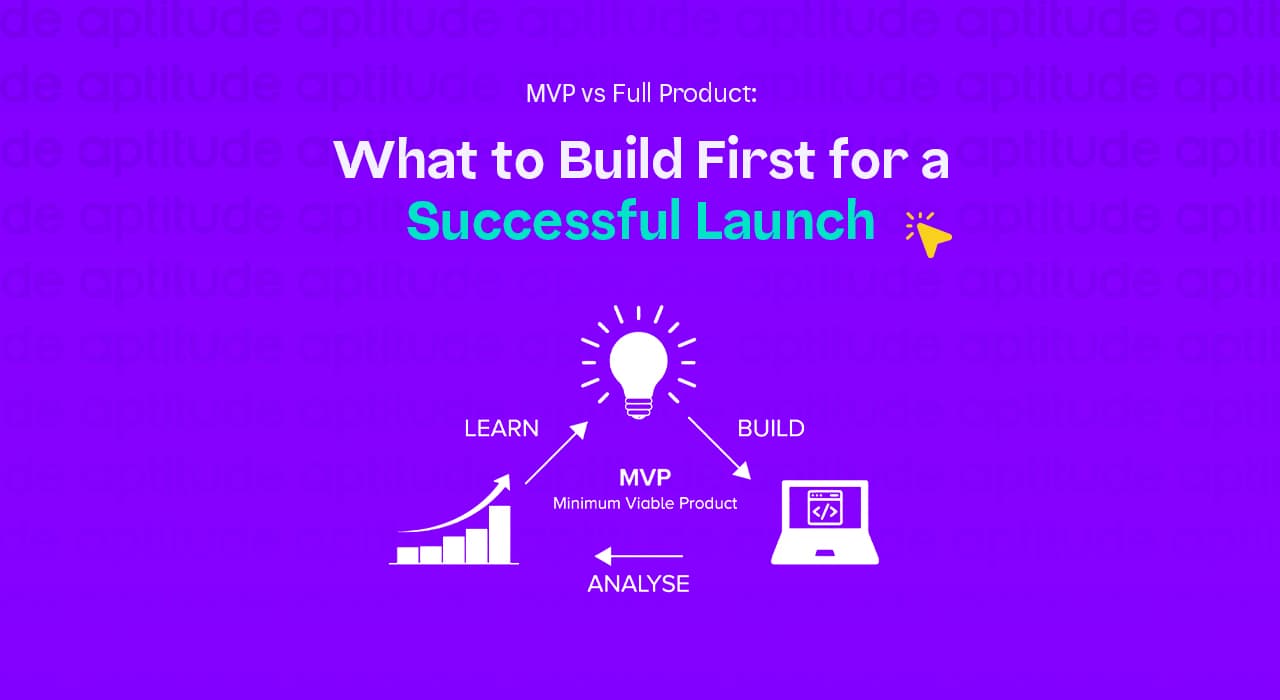
An MVP, or Minimum Viable Product, is the simplest version of a product that delivers core value to users. It plays a central role in the product concept development stage, where ideas are transformed into a functional solution that can be tested in the real market. Within an agile product development approach, MVP allows teams to move quickly, validate assumptions, and refine the product through continuous feedback. Rather than aiming for completeness, the focus is on building something usable, testable, and ready for early adoption.
Why MVP Is Critical for Modern Product Launches
In today’s competitive landscape, launching without validation can be costly. MVP helps reduce uncertainty by allowing teams to test the product early in the product discovery phase and adapt based on real insights. It supports a more flexible and responsive product innovation process, where learning and iteration become part of the development cycle.
Reducing Development Risk
MVP significantly reduces risk by limiting the initial scope of development. Instead of investing heavily across the entire product development lifecycle, teams focus on core features and validate them before scaling. This approach ensures that time and resources are used efficiently, making it a key part of any software product launch strategy.
Faster Time to Market
Speed is a major advantage in digital products. MVP enables faster execution by narrowing down development priorities and accelerating the product launch timeline. This allows teams to move toward a beta product launch quickly, gather feedback, and refine the product before a full-scale release. Faster time to market also improves early positioning and competitive advantage.
Defining MVP Features and Scope
Defining the right MVP scope requires strong decision-making and clarity. This step involves selecting features that directly contribute to the product’s core value while aligning with the broader product strategy roadmap. A focused scope ensures that feature development planning remains efficient and supports a smoother transition into the next stages of the product development lifecycle.
Core Functionalities
Core functionalities are the essential features that enable users to achieve their primary goal. These features define the product’s purpose and should be prioritized within the product prototyping workflow. By focusing only on what truly matters, teams can build a product that is simple, usable, and ready for early market interaction, which is crucial for any app product launch strategy.
Success Metrics and KPIs
An MVP should be measured from the moment it is introduced. Defining clear product launch metrics helps track performance and understand user behavior. Metrics such as activation rate, engagement, and retention provide valuable insights for product performance tracking and guide future improvements. These insights feed directly into product feedback analysis, enabling a continuous product improvement cycle that strengthens the product over time.
Step 5: UI/UX Design and Interface Development
Once the MVP scope is defined, the focus shifts to crafting the actual interface users will interact with. This stage transforms strategy into a tangible experience through a refined product prototyping workflow and structured design execution. It plays a critical role in the overall digital product planning, ensuring that the product not only works but feels intuitive, consistent, and aligned with user expectations. In a strong digital product launch workflow, UI/UX design is what directly influences how users perceive value from the very first interaction.
Designing High-Fidelity User Interfaces
High-fidelity design is where ideas become visually real. It involves creating polished interfaces that reflect the product’s identity while maintaining clarity and usability. This stage builds upon earlier wireframes and prototypes, ensuring that the final design aligns with both user needs and business goals within the broader product development lifecycle.
Visual Design Principles
Effective visual design is not just about aesthetics — it’s about communication. Elements such as typography, spacing, color, and hierarchy are used to guide user attention and create a seamless experience. Strong visual principles support better usability and play an important role in the product positioning strategy, helping users quickly understand what the product offers and how to interact with it.
Consistency Through Design Systems
Consistency is essential for building trust and reducing cognitive load. Design systems ensure that components, styles, and interactions remain uniform across the product. This not only improves the user experience but also speeds up development by creating reusable patterns within the SaaS product development process. A well-defined system ensures that the product scales without losing its visual and functional integrity.
Ensuring Responsive and Cross-Platform Experience
Modern users interact with products across multiple devices, which makes responsiveness a key requirement. Ensuring that the interface adapts smoothly across different screen sizes is critical for maintaining engagement and supporting a strong user adoption strategy. This stage ensures that the product performs consistently, regardless of where or how users access it.
Mobile Optimization
Mobile optimization focuses on creating a seamless experience for users on smaller screens. This includes simplifying layouts, improving touch interactions, and ensuring fast performance. Since a large portion of users engage through mobile devices, this step is essential for early user acquisition and supports a more effective digital launch campaign.
Cross-Device Compatibility
Beyond mobile, the product must function consistently across desktops, tablets, and different browsers. Cross-device compatibility ensures that users have a unified experience regardless of platform. This consistency strengthens the overall product rollout strategy and helps maintain trust during and after the software product launch.
Improving Accessibility and Usability
Accessibility and usability are fundamental to creating inclusive and effective digital products. A well-designed interface ensures that users of all abilities can interact with the product without barriers. This includes clear navigation, readable content, and intuitive interactions. By prioritizing usability and continuously refining the experience through the product testing process, teams can improve engagement, reduce friction, and support long-term success through ongoing post-launch optimization.
Step 6: Development and Engineering Execution
This is the stage where planning, design, and strategy turn into a working product. Development and engineering execution sit at the core of the product development lifecycle, ensuring that everything built so far is translated into a stable, high-performing system. A strong execution approach combines clean architecture, efficient coding practices, and continuous validation, all aligned with the broader digital product strategy. For any software product launch, this phase determines not just how the product works, but how well it performs under real-world conditions.
Frontend and Backend Development
Development is typically divided into frontend and backend layers, but both must work together seamlessly. The frontend focuses on what users see and interact with, while the backend powers the logic, data flow, and system operations behind the scenes. A well-coordinated approach ensures that the experience remains consistent, reliable, and aligned with the overall product strategy roadmap.
Frontend Implementation
Frontend implementation brings the UI/UX designs to life. It involves translating design systems, layouts, and interactions into functional interfaces that users can engage with. This step must maintain design accuracy while ensuring performance, responsiveness, and usability. Within an agile product development environment, frontend teams continuously refine the experience based on feedback and testing, supporting a smoother path toward the final app product launch strategy.
Backend Architecture
Backend architecture forms the foundation of the product’s functionality. It handles data management, APIs, authentication, and system logic. A well-designed backend ensures reliability, flexibility, and scalability as the product grows. Strong architecture decisions at this stage directly impact the long-term success of the SaaS product development process, making it easier to expand features, integrate services, and manage increasing user demand.
Performance and Scalability Planning
Building a product is not enough — it must perform efficiently under different conditions. Performance and scalability planning ensure that the system can handle user growth, traffic spikes, and increasing data without breaking down. This is a critical part of preparing for a successful product deployment strategy and long-term growth.
Load Optimization
Load optimization focuses on improving how quickly and efficiently the product responds to user actions. This includes optimizing assets, reducing server load, and ensuring fast response times. A well-optimized system improves user experience, reduces drop-offs, and supports better outcomes during the digital release strategy, especially when traffic increases during launch.
System Scalability
Scalability ensures that the product can grow without major structural changes. Whether it’s handling more users, processing larger datasets, or expanding features, the system should be built to adapt. Planning for scalability early strengthens the overall product rollout strategy and ensures that growth does not lead to performance issues or system failures.
Security and Data Protection
Security is a fundamental requirement in modern digital products. Users expect their data to be protected, and any failure in this area can damage trust instantly. Implementing strong security practices — such as data encryption, secure authentication, and access control — is essential for any reliable product. This also aligns with best practices in the product testing process, where vulnerabilities are identified and addressed before launch. A secure product not only protects users but also strengthens credibility during the launch preparation process and beyond.
Step 7: Pre-Launch Preparation and Setup
Before the product goes live, everything must be aligned for a smooth and impactful release. Pre-launch preparation is where strategy, product, and marketing come together to ensure that the launch is not just functional, but effective. This phase focuses on building the right assets, setting up acquisition channels, validating the product through testing, and preparing tracking systems. A strong launch preparation process ensures that when the product is released, it is supported by a clear product launch marketing plan and a well-defined product deployment strategy.
Building Launch-Ready Marketing Assets
A product without clear communication struggles to gain attention. This step focuses on creating the assets needed to present the product effectively to the market. These assets are essential for shaping the product positioning strategy and ensuring consistency across all touchpoints during the digital launch campaign.
Landing Pages
Landing pages act as the primary entry point for users during launch. A well-designed page communicates the product’s value clearly, guides users toward action, and supports early conversions. It plays a key role in the customer onboarding strategy, helping users quickly understand what the product offers and why it matters.
Product Messaging
Product messaging defines how the product is communicated to the audience. It includes the value proposition, key benefits, and positioning in the market. Strong messaging ensures clarity and consistency across all channels, making the product launch announcement more impactful and aligned with user expectations.
Setting Up User Acquisition Channels
A successful launch requires more than just availability — it requires visibility. Setting up acquisition channels ensures that users can discover and engage with the product from day one. This step supports early traction and builds the foundation for early user acquisition.
Email Waitlists
Email waitlists help build anticipation before launch. They allow potential users to sign up early, creating a pool of interested users who can be engaged at launch. This approach strengthens the product launch marketing plan and provides an initial audience ready to explore the product.
Early User Engagement
Engaging early users before launch helps validate messaging and build momentum. This can include sharing updates, early access opportunities, or exclusive previews. Strong early engagement supports product growth marketing by turning initial users into advocates who help spread awareness organically.
Testing and Quality Assurance
Before launch, the product must be thoroughly tested to ensure reliability and performance. This phase focuses on identifying issues, improving stability, and preparing the product for real-world usage. A strong product testing process ensures that the product meets quality expectations and reduces the risk of negative user experiences.
Beta Testing
Beta testing allows a limited group of users to interact with the product before the official release. This stage helps identify usability issues, gather feedback, and validate performance under real conditions. It is a critical step before a full product release management process begins.
Bug Fixing
Bug fixing ensures that technical issues are resolved before launch. Addressing these problems early improves stability and user confidence. This step is essential for maintaining quality and supporting a smooth product rollout strategy once the product is live.
Setting Up Analytics and Tracking
A product launch should always be measurable. Setting up analytics ensures that teams can track performance, understand user behavior, and make informed decisions after launch. This is a key part of any digital release strategy, as it enables continuous improvement.
User Behavior Tracking
User behavior tracking helps understand how users interact with the product. It provides insights into navigation patterns, feature usage, and drop-off points. These insights are essential for refining the user adoption strategy and improving the overall experience.
Conversion Tracking
Conversion tracking focuses on measuring key actions such as sign-ups, purchases, or feature usage. It helps evaluate the effectiveness of the launch and the product marketing strategy. These insights directly contribute to product performance tracking and guide future optimization efforts.
Step 8: Product Launch Execution
This is the moment where everything comes together. After weeks or months of planning, design, and development, the product is finally introduced to the market. But a successful launch is not just about going live — it’s about executing a well-coordinated product release management plan supported by a clear product launch timeline and a strong digital release strategy. This phase determines how effectively your product reaches users, creates momentum, and establishes its position in the market.
Choosing the Right Launch Strategy
Not every product should be launched the same way. The choice of launch approach depends on product type, market readiness, and business goals. Selecting the right strategy is a critical part of the overall product rollout strategy, as it defines how the product will be introduced and scaled.
Soft Launch Approach
A soft launch involves releasing the product to a limited audience before a full-scale launch. This approach allows teams to test performance, gather real user feedback, and refine the experience in a controlled environment. It is especially useful in the early stages of a software product launch, where small adjustments can significantly improve the final outcome. A soft launch also supports a smoother transition into a broader release.
Full Public Launch
A full public launch introduces the product to a wider audience all at once. This approach is often backed by a strong product launch announcement and coordinated marketing efforts across multiple channels. It requires careful planning and a solid launch readiness checklist to ensure that both the product and infrastructure are fully prepared to handle user demand.
Executing Multi-Channel Launch Campaigns
A product launch needs visibility to succeed. Multi-channel campaigns ensure that the product reaches users across different platforms, increasing awareness and engagement. This stage is driven by a well-structured product marketing strategy and executed through a coordinated digital launch campaign.
Social Media Launch
Social media plays a key role in creating awareness and driving engagement during launch. Platforms like LinkedIn, Facebook, and Twitter help communicate the product’s value, share updates, and generate conversations. A strong social media presence supports early traction and strengthens the overall product positioning strategy.
Email Campaigns
Email campaigns allow direct communication with interested users, especially those from pre-launch waitlists. A well-crafted email sequence can drive traffic, encourage sign-ups, and guide users through the initial onboarding process. This channel is highly effective for early user acquisition and maintaining engagement during launch.
Community Platforms
Community platforms such as forums, groups, or niche communities provide an opportunity to connect with highly relevant audiences. Engaging with these communities helps build trust, gather feedback, and create organic interest around the product. This approach supports long-term product growth marketing by building a loyal user base from the beginning.
Managing Launch Day Operations
Launch day is not just about releasing the product — it’s about managing performance, responding to users, and ensuring everything runs smoothly. A well-prepared team monitors activity closely and adapts quickly to any issues or opportunities that arise.
Monitoring Performance
Real-time monitoring is essential during launch. Tracking key product launch metrics such as traffic, engagement, and system performance helps teams understand how the product is performing under real conditions. This allows quick adjustments to ensure stability and a better user experience.
Handling User Feedback
User feedback during launch provides valuable insights into how the product is perceived and where improvements are needed. Responding quickly to feedback not only improves the product but also builds trust with users. This continuous loop of feedback and improvement is a core part of post-launch optimization and supports a strong product improvement cycle moving forward.
Step 9: Post-Launch Optimization and Improvement
Launching the product is not the finish line — it’s the beginning of real growth. This phase focuses on refining the product based on real user behavior, feedback, and performance data. A strong post-launch optimization approach ensures that the product continues to evolve through a structured product improvement cycle, rather than remaining static. In any successful digital product strategy, continuous learning and iteration are what drive long-term success and scalability.
Collecting and Analyzing User Feedback
Once the product is live, user feedback becomes one of the most valuable sources of insight. It helps teams understand how users perceive the product, where they face challenges, and what improvements are needed. This process is a key part of product feedback analysis, ensuring that decisions are guided by real user input rather than assumptions.
Surveys and Reviews
Surveys and reviews provide direct feedback from users about their experience. They help capture opinions, satisfaction levels, and suggestions for improvement. This input plays an important role in refining the product marketing strategy and improving the overall customer onboarding strategy, ensuring that users feel heard and valued.
User Behavior Analysis
Beyond direct feedback, analyzing user behavior reveals how people actually interact with the product. Tracking user flows, drop-off points, and feature usage provides deeper insights into what is working and what needs improvement. This data-driven approach strengthens product performance tracking and supports better decision-making in future iterations.
Continuous Product Improvement
A successful product is never static — it evolves continuously. This stage focuses on refining the product based on insights gathered from users and performance data. It ensures that improvements are not random but aligned with the overall product development lifecycle and long-term business goals.
Fixing Issues
Identifying and resolving issues quickly is essential for maintaining user trust. Bug fixes, performance improvements, and usability adjustments ensure that the product remains stable and reliable. Addressing these issues promptly is a critical part of maintaining quality after the software product launch.
Enhancing Features
Beyond fixing issues, continuous improvement also involves enhancing existing features and introducing new ones based on user needs. These enhancements help improve user satisfaction, increase engagement, and support the overall product growth marketing strategy. Over time, this leads to a more refined and competitive product.
Tracking Key Performance Metrics
Measuring performance is essential to understand whether the product is moving in the right direction. Tracking key metrics provides clarity on user behavior, product effectiveness, and business impact. These insights are central to evaluating the success of the launch and guiding future improvements.
Retention Rate
Retention rate measures how many users continue to use the product over time. A high retention rate indicates that the product delivers consistent value, while a low rate highlights areas that need improvement. This metric is crucial for building a strong user adoption strategy and long-term growth.
Conversion Rate
Conversion rate tracks how effectively users complete desired actions, such as signing up, making a purchase, or upgrading to a paid plan. It reflects how well the product communicates value and guides users through the experience. Improving conversion rates directly impacts the success of the product launch marketing plan.
Engagement Metrics
Engagement metrics measure how actively users interact with the product. This includes time spent, feature usage, and frequency of interaction. Strong engagement indicates that users find the product useful and relevant. These insights play a key role in refining the overall product improvement cycle and ensuring continuous growth.
Step 10: Growth and Scaling Strategy
After launch and early optimization, the focus shifts toward sustainable growth. This stage is about turning initial traction into long-term success through a structured growth strategy for digital products. It connects product improvements, marketing efforts, and infrastructure readiness into a single system that supports scale. In a mature digital product strategy, growth is not random — it is planned, measured, and continuously optimized to ensure the product can expand without losing performance or user experience quality.
Expanding User Acquisition Channels
Growth requires consistent user inflow, and relying on a single channel is never enough. Expanding acquisition channels ensures that the product reaches different segments of the market and builds a more resilient growth engine. This phase strengthens the overall product marketing strategy and supports long-term early user acquisition turning into scalable growth.
SEO and Content Marketing
SEO and content marketing play a critical role in building sustainable visibility. By creating high-quality, search-focused content and optimizing for relevant keywords, brands can attract users organically over time. This approach aligns with a strong product launch marketing plan, where content continues to drive traffic and awareness even after the initial launch phase. It also supports long-term authority and consistent inbound growth.
Paid Advertising
Paid advertising allows faster reach and targeted acquisition. Channels such as Google Ads, social media ads, and display campaigns help bring in users who are actively searching or fit specific audience profiles. When aligned with the right product positioning strategy, paid campaigns can accelerate growth and complement organic efforts within a broader digital launch campaign.
Scaling Product Features and Capabilities
As the user base grows, the product must evolve to meet increasing expectations. Scaling is not just about adding more features — it’s about expanding capabilities in a way that continues to deliver value. This stage is a natural extension of the product development lifecycle, where insights from users guide the next level of innovation.
Feature Expansion
Feature expansion involves introducing new functionalities based on user needs and feedback. These additions should enhance the core experience rather than complicate it. A structured approach to expansion ensures that the product remains focused while supporting a continuous product improvement cycle.
Market Expansion
Market expansion focuses on reaching new user segments, industries, or geographic regions. This may involve adapting the product, refining messaging, or adjusting pricing strategies. Expanding into new markets is a key milestone in scaling digital products and requires alignment between product capabilities and business strategy.
Optimizing Infrastructure for Growth
As usage increases, the underlying infrastructure must be prepared to handle higher demand. Optimizing infrastructure ensures that the product remains stable, fast, and reliable as it scales. This includes improving system performance, enhancing scalability, and ensuring efficient resource management. A strong foundation supports better product performance tracking and allows teams to scale confidently without compromising user experience.
Common Mistakes in the Digital Product Launch Process
Even with the right intentions, many digital products fail not because of poor ideas, but because of avoidable mistakes in execution. A strong digital product launch framework is designed to reduce these risks, but when key steps are ignored, the entire process becomes fragile. Understanding these common mistakes helps teams avoid costly setbacks and build a more reliable path toward a successful SaaS product launch strategy or any modern digital solution.
Skipping Market Validation
One of the most critical mistakes is skipping the product validation process. Many teams move directly into development without confirming whether there is real demand. This often leads to building products that users don’t need or won’t adopt. Market validation is a core part of the product discovery phase, and without it, the entire digital product launch step by step process is based on assumptions rather than insight.
Overbuilding Before Launch
Another common mistake is trying to build a fully complete product before going live. Overbuilding increases development time, delays feedback, and wastes resources on features that may not be necessary. A better approach is to focus on MVP development within an agile product development framework, where the goal is to launch early, learn quickly, and improve continuously.
Ignoring User Experience
A product that works but is difficult to use will struggle to retain users. Ignoring UX leads to confusion, friction, and low engagement. The UX/UI design workflow should always be treated as a core part of the product design process, ensuring that users can easily understand and navigate the product. Strong user experience directly impacts adoption, retention, and overall product success.
Weak Go-To-Market Strategy
Even a well-built product can fail without a clear product go-to-market strategy. Many teams underestimate the importance of positioning, messaging, and distribution. Without a structured product launch marketing plan and a coordinated digital launch campaign, the product may go unnoticed in a competitive market. A strong launch requires not just building the product, but also ensuring it reaches the right audience effectively.
Lack of Post-Launch Planning
Launching the product is only the beginning, yet many teams fail to plan for what comes next. Without a clear approach to post-launch optimization, products quickly lose momentum. Continuous improvement through product feedback analysis, performance tracking, and iteration is essential for long-term growth. A lack of post-launch planning often leads to stagnation, even if the initial launch was successful.
Digital Product Launch Checklist for Modern Brands
A structured checklist ensures that nothing is missed before, during, and after launch. It acts as a practical layer on top of your digital product launch framework, helping teams stay aligned with the product launch timeline and maintain clarity across execution. Instead of relying on memory or scattered tasks, this checklist supports a disciplined launch readiness checklist approach — ensuring that every critical step in the digital product launch workflow is covered.
Pre-Launch Checklist
Before the product goes live, all foundational elements must be validated and aligned. This stage ensures that the product is ready from both a user and business perspective, reducing risks during the actual software product launch.
Validation Completed
The product validation process should be fully completed before moving forward. This means confirming real user demand, validating the problem-solution fit, and ensuring that insights gathered during the product discovery phase are reflected in the final product direction. Skipping this step often leads to weak adoption after launch.
MVP Defined
The MVP scope must be clearly defined within the broader digital product planning process. Core features should be finalized, and unnecessary complexities should be removed to maintain focus. A well-defined MVP ensures that development stays aligned with the product strategy roadmap and supports a faster, more efficient launch.
UX Tested
The product experience should be validated through user testing before launch. This includes identifying usability issues, refining user flows, and ensuring that interactions are intuitive. Strong UX validation is essential for improving early engagement and supporting a smoother customer onboarding strategy once users start interacting with the product.
Launch Checklist
During launch, execution and coordination become critical. This stage ensures that both product and marketing efforts are aligned to create maximum impact and visibility.
Marketing Ready
All marketing assets and campaigns should be prepared and aligned with the product launch marketing plan. This includes finalizing messaging, creatives, and distribution channels. A well-prepared marketing setup ensures that the product launch announcement reaches the right audience and supports a strong digital launch campaign.
Analytics Setup
Tracking systems must be in place before launch. This includes setting up tools for product performance tracking, user behavior analysis, and conversion measurement. Proper analytics setup ensures that teams can monitor performance in real time and make data-driven decisions immediately after launch.
Post-Launch Checklist
After the product is live, the focus shifts toward improvement and growth. This stage ensures that the product continues to evolve based on real user insights and performance data.
Feedback Collection
User feedback should be actively collected through surveys, reviews, and direct interactions. This is a critical part of product feedback analysis, helping teams understand user expectations and identify areas for improvement. Continuous feedback ensures that the product remains relevant and user-focused.
Iteration Plan
A clear iteration plan should be in place to guide ongoing improvements. This includes prioritizing updates, refining features, and aligning changes with the overall product improvement cycle. A structured iteration approach ensures that the product evolves consistently and supports long-term success within the product development lifecycle.
How Modern Brands Can Launch Digital Products Successfully
Launching a digital product successfully today requires more than execution — it requires alignment. Modern brands win when strategy, design, technology, and marketing work as one system, not as separate efforts. A strong digital product strategy ensures that every decision from concept to scale is intentional, measurable, and focused on delivering real value. This is what transforms a standard release into a successful SaaS product launch strategy that drives adoption, retention, and long-term growth.
Importance of Strategy-First Execution
Execution without strategy leads to wasted effort. Strategy-first execution ensures that every step in the digital product planning process is guided by clear objectives, user insights, and business goals. Instead of reacting to problems later, teams proactively define direction through a structured product launch framework and a clear product strategy roadmap. This approach reduces uncertainty, improves decision-making, and creates a stronger foundation for a predictable and effective launch.
Role of UX in Product Success
User experience is one of the most decisive factors in product success. A well-designed experience ensures that users can understand, navigate, and gain value from the product without friction. The UX/UI design workflow should not be treated as a visual layer, but as a core part of the product design process that directly impacts engagement and retention. When UX is prioritized, it strengthens onboarding, improves user satisfaction, and supports a more effective user adoption strategy from the very beginning.
Aligning Technology with Business Goals
Technology should always serve business objectives, not operate independently. Aligning engineering decisions with business goals ensures that the product is built to support growth, scalability, and performance. This alignment is critical within the product development lifecycle, where every technical choice influences the product’s ability to scale and evolve. When technology, product, and business strategy are connected, brands can move forward with confidence and build products that are not only functional but also positioned for long-term success.
Conclusion
A successful launch is never just about releasing a product — it’s about creating a system that connects strategy, execution, and continuous improvement. The entire journey, from idea validation to scaling, defines whether a product gains traction or disappears in the market. A well-structured digital product launch workflow ensures that every stage contributes to a meaningful outcome, turning effort into measurable growth.
Why the Digital Product Launch Process Matters
The digital landscape is highly competitive, and users have little patience for unclear or poorly designed products. A structured digital product launch strategy helps brands reduce risk, align teams, and deliver products that solve real problems. It ensures that the product is not only built correctly but also introduced to the market with clarity and purpose. Without this process, even strong ideas can fail due to poor execution or lack of direction.
Key Takeaways for Modern Brands
Modern brands need to approach product launches with intention and discipline. This means validating ideas before building, focusing on MVP instead of overbuilding, prioritizing user experience, and executing a clear product launch marketing plan. It also requires continuous learning through product performance tracking and ongoing improvements through a structured product improvement cycle. Success comes from alignment — between product, users, and business goals.
Final Thoughts on Building Successful Products
Building a successful digital product is not a one-time effort — it is an evolving process. From the initial concept to long-term growth, every decision shapes how the product performs in the real world. By following a clear framework, embracing feedback, and continuously improving, brands can create products that not only launch successfully but continue to grow and deliver value over time.
Frequently Asked Questions
What is the digital product launch process
The digital product launch process is a structured approach that takes a product from idea to market, covering validation, strategy, design, development, launch, and continuous improvement.
How long does it take to launch a digital product
It typically takes 4 weeks to 6 months, depending on complexity, team size, and whether you're launching an MVP or a full product.
Factors affecting timeline
The timeline depends on product complexity, feature scope, team efficiency, validation depth, and how structured your digital product planning and execution process is.
MVP vs full product timelines
An MVP can be launched in 4–8 weeks, while a full product may take 3–6+ months, as it includes more features, refinement, and scaling preparation.
What is an MVP and why is it important
An MVP is the simplest version of a product that delivers core value. It helps validate ideas quickly, reduce risk, and accelerate learning before full-scale development.
How much does it cost to launch a digital product
Costs can range from $5,000 to $100,000+, depending on design quality, development scope, and marketing efforts involved in the launch.
What is the most important step in a product launch
The most important step is market validation, because building the right product matters more than building it perfectly.