Navigating the Product Development Lifecycle is crucial for success in today's fast-paced market. This comprehensive guide will help you understand the key stages and strategies involved. From ideation to product launch, each phase requires careful planning and execution.
A strong product strategy aligns development with business goals, ensuring a clear path forward. Market analysis identifies opportunities and risks, guiding your product design and development process. Quality assurance integration is vital at every stage to meet customer expectations and regulatory standards. Iterative development and agile methodologies allow for continuous improvement and adaptation.
Lifecycle management ensures your product remains relevant and competitive throughout its lifecycle. Stay ahead by understanding emerging trends and technologies shaping the product development landscape in 2026.
Understanding the Product Development Lifecycle
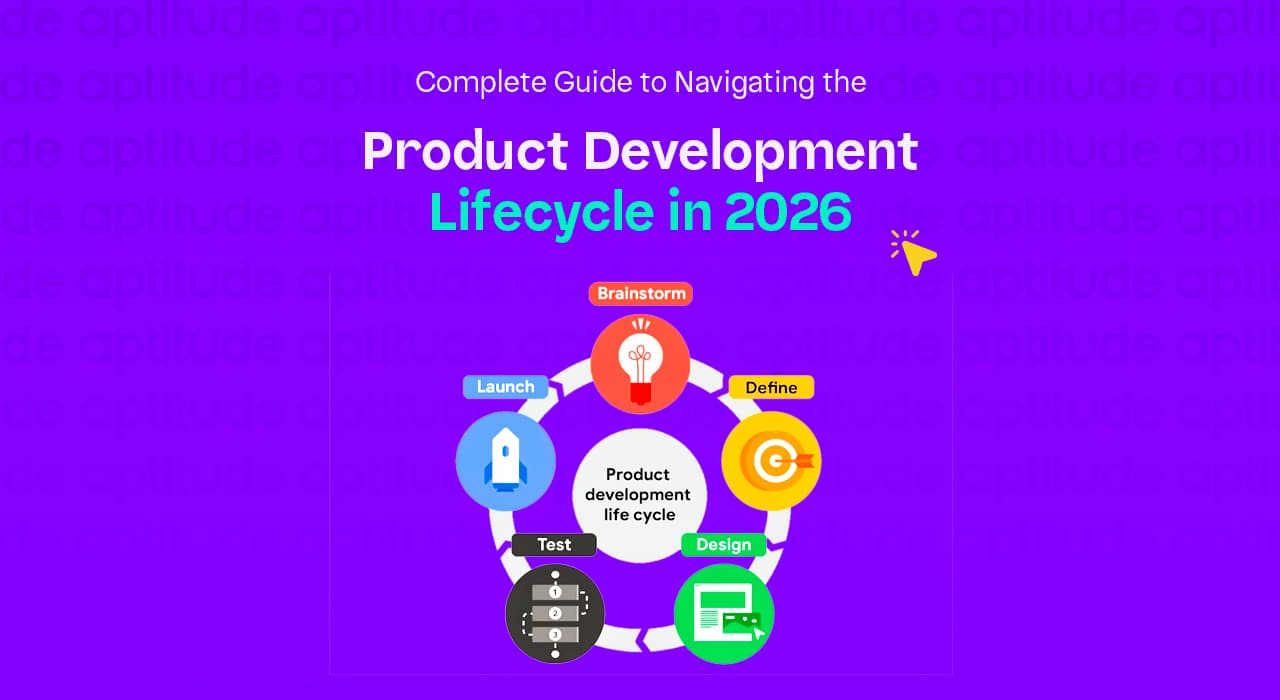
The Product Development Lifecycle is a structured framework guiding a product from concept to market release and beyond. It serves as a roadmap for transforming ideas into tangible products that meet market needs.
Each stage of this lifecycle plays a crucial role in ensuring the final product aligns with customer expectations and business objectives. By following this structured process, businesses can systematically address challenges and seize opportunities.
Key stages include:
- Ideation: Generating and refining innovative ideas.
- Market Analysis: Researching market trends and customer needs.
- Design and Development: Translating concepts into workable designs and prototypes.
- Testing: Validating functionality, usability, and performance.
- Launch: Introducing the product to the market.
Effective lifecycle management is vital for maintaining relevance as technology and markets evolve. It involves not only launching products but also planning for updates, scaling, and eventual retirement.
Quality assurance is interwoven through each stage, ensuring the product meets high standards from inception to completion. This integrated approach minimizes issues and improves the user experience.
The lifecycle's structured approach assists businesses in evaluating risks, managing resources, and achieving strategic objectives efficiently. Overall, it helps maintain a competitive edge by fostering agility and innovation in product development.
Product Strategy: Laying the Foundation
A robust product strategy is the cornerstone of successful development. It aligns the product with business goals and customer needs, ensuring a focused and cohesive approach.
Developing a product strategy involves defining the target market, establishing clear objectives, and identifying key differentiators. These elements guide decision-making and resource allocation throughout the lifecycle.
An effective product strategy should outline:
- Market Positioning: How the product will stand out among competitors.
- Customer Personas: Understanding who will benefit from the product.
- Value Proposition: Clarifying the unique benefits offered.
Strategic planning involves continuous assessment and adjustment as market conditions change. This ensures the product remains relevant and aligned with evolving customer demands.
Collaboration among cross-functional teams is essential for crafting a winning strategy. Engaging stakeholders from marketing, design, and technical teams fosters a holistic approach that addresses all facets of development.
Through careful planning and execution, product strategy sets the stage for every subsequent stage of the lifecycle. It acts as a guiding light, illuminating the path to success and helping navigate any uncertainties that arise.
Market Analysis: Identifying Opportunities and Risks
Market analysis is a vital step in the product development lifecycle. It helps identify opportunities and assess potential risks associated with bringing a new product to market.
Understanding the competitive landscape involves evaluating other players in the market. This reveals gaps and opportunities that your product could exploit.
Effective market analysis includes:
- Trend Analysis: Monitoring changes in industry practices.
- Customer Insights: Gathering feedback to understand needs.
- Competitive Benchmarking: Assessing rivals' strengths and weaknesses.
Identifying risks early can prevent costly mistakes. This involves analyzing potential barriers to entry, regulatory challenges, and economic factors that might impact product success.
Using data analytics tools can enhance market analysis processes. These tools provide actionable insights, allowing teams to make data-driven decisions, adjust strategies, and minimize risks.
Informed by thorough market analysis, teams can develop products that not only meet current demands but anticipate future trends. By understanding the market dynamics and customer preferences, businesses can create solutions that resonate with their target audience.
Product Design Phases: From Concept to Blueprint
The product design phase translates ideas into tangible blueprints. It is crucial for setting the foundation for product development and ensuring that all stakeholders have a common understanding of the product goals.
Concept development marks the initial step in the design process. It involves brainstorming and refining ideas to form a clear vision of the product. During this phase, teams consider functionality, aesthetics, and potential user interactions.
Key activities include:
- Sketching and Wireframing: Creating initial designs to visualize concepts.
- Usability Studies: Understanding how users might interact with the product.
- Concept Validation: Gathering feedback on design ideas to ensure feasibility.
Next is prototype creation. Prototyping allows teams to build working models of the product. This helps in evaluating usability and functionality before full-scale production begins.
Prototyping involves:
- 3D Modeling: Using digital tools to create a detailed model.
- Iterative Testing: Refining prototypes based on user feedback and testing.
- Performance Analysis: Ensuring the product meets design specifications and performance criteria.
During the blueprint phase, all design decisions are documented. Detailed drawings and specifications are created to guide development. This ensures that the final product aligns with the original vision and meets all functional and user requirements.
Collaboration and clear communication among design, engineering, and marketing teams are vital throughout these phases. By effectively managing the product design process, businesses can create innovative products that satisfy market demands.
Prototype Testing: Validating Ideas Early
Prototype testing is a vital step in the product development lifecycle. It serves to validate concepts before committing to full-scale production. This stage helps identify potential issues early, thus saving time and resources.
Testing prototypes offer insights into user interactions. It allows teams to observe how the product functions in real-world scenarios. These insights help refine designs and enhance usability.
The benefits of prototype testing include:
- Identifying Design Flaws: Early detection of issues before final production.
- User Feedback: Gathering input to align the product with customer expectations.
- Cost Efficiency: Reducing the risk of expensive mistakes during mass production.
There are different methods of prototype testing. Physical and digital models each provide unique insights. Physical models test tangible aspects, while digital prototypes can simulate user interactions effectively.
An iterative approach to testing is crucial. Continuous refinement based on feedback leads to improved product quality. This process ensures the final product is both functional and user-friendly.
Effective collaboration among design, engineering, and testing teams is essential. By fostering communication, teams can address issues promptly. This collaboration ultimately results in a more successful product.
Development Process: Building the Product
The development process is the phase where ideas materialize into tangible products. This stage transforms designs and concepts into functional outputs. A well-structured development process is crucial for timely delivery.
Setting clear goals ensures that the development aligns with business objectives. This step involves defining the scope, timelines, and resource allocation. It serves as a roadmap for the development team.
Technology selection plays a critical role in development. Choosing the right tools and platforms impacts the product's performance. Teams must consider scalability, security, and compatibility during this phase.
Effective project management is essential to keep the process on track. Agile methodologies are often employed for flexibility and responsiveness. This approach allows teams to adapt to changes efficiently.
Key aspects of a successful development process include:
- Clear Planning: Establishing detailed timelines and resource allocation.
- Technology Choice: Selecting appropriate tools and platforms.
- Agile Adaptability: Employing iterative methods for flexibility.
Collaboration between developers, designers, and stakeholders enhances outcomes. Regular meetings ensure alignment and address potential roadblocks. Open communication channels prevent misunderstandings and delays.
The development phase often requires iterative testing and refinement. This is to ensure quality and performance standards are met. Continuous feedback is integral, allowing for necessary adjustments before launch.
Quality Assurance Integration in the Product Development Lifecycle
Quality assurance (QA) is pivotal in ensuring that products meet customer expectations. Integrating QA from the start reduces defects and enhances reliability. This proactive approach saves time and resources in the long run.
Incorporating QA in every phase ensures products align with standards. Early involvement allows for immediate identification of issues. This minimizes costly fixes later in the development process.
A robust QA strategy involves a variety of testing methodologies. These may include:
- Unit Testing: Ensures individual components operate correctly.
- Integration Testing: Validates the interaction between different modules.
- User Acceptance Testing: Confirms the product meets user needs.
Automation plays a significant role in modern QA processes. Automated tests provide consistent results and speed up delivery. They help in maintaining high-quality standards across different stages.
Collaboration between QA teams and developers is essential. Regular feedback loops foster continuous improvement. This joint effort ensures products are market-ready and meet regulatory requirements.
Iterative Development and Agile Methodologies
Iterative development is key to modern product creation. It allows teams to refine products based on feedback. Agile methodologies support flexibility and quick response to change.
The iterative approach involves repetitive cycles, each adding value. These cycles, or sprints, promote constant evaluation. Feedback from each sprint helps in improving the next version.
Agile methodologies emphasize collaboration and transparency. Teams work in small, empowered groups focusing on customer needs. Key principles include:
- Incremental Development: Delivering small, workable product features.
- Collaboration: Encouraging regular communication within and across teams.
- Adaptability: Responding swiftly to change.
Using agile frameworks like Scrum and Kanban, teams enhance productivity. Scrum organizes workflow into sprints, promoting efficiency. Kanban visualizes the process, ensuring smooth task flow.
Implementing these methodologies improves project outcomes. Teams deliver higher quality products in shorter times. They also adapt better to market changes, meeting user demands effectively.
Product Launch: Strategies for a Successful Debut
Launching a product is a pivotal moment. It can determine the product's trajectory in the market. A well-planned strategy is essential for success.
A successful product launch needs clear objectives. These guide the promotional efforts and target customer engagement. Setting measurable goals helps in assessing launch effectiveness.
Identifying the target audience is crucial. Understanding their preferences and needs ensures better marketing alignment. This focus enables tailored messaging and outreach strategies.
A comprehensive launch plan includes several components. Each part plays a role in maximizing impact. Key elements of a launch strategy might include:
- Market Readiness: Ensuring the product is fully tested and validated.
- Communications Plan: Developing a compelling narrative and key messages.
- Promotion Channels: Selecting the right mix of social, digital, and traditional media.
Timing is equally important. Aligning the launch with market trends and events can boost visibility. A phased rollout can also create buzz and anticipation.
Finally, monitoring post-launch performance is vital. This helps in making real-time adjustments and improvements. Collecting early customer feedback provides insights for future iterations.
Lifecycle Management: Sustaining and Evolving Your Product
Lifecycle management is key for long-term success. It involves sustaining and evolving the product post-launch. This extends a product's lifespan and profitability.
Understanding the product lifecycle stages is essential. From introduction to growth and maturity, each stage requires distinct strategies. Timely adaptations keep the product relevant in changing markets.
Continuous market analysis informs these strategies. This helps identify shifts in customer needs and competitive landscapes. An agile approach facilitates necessary adjustments.
Innovation plays a critical role in lifecycle management. Regular updates and feature enhancements maintain user interest. Engaging customers in the development of new features can also increase loyalty.
A few vital components of effective lifecycle management include:
- Regular Product Evaluations: Assess product performance and identify improvement areas.
- Customer Feedback: Gather input to guide future updates.
- Competitive Analysis: Keep an eye on market trends and rival products.
Monitoring the decline stage is also crucial. Preparing for a product's end of life ensures a smooth transition. Planning includes strategies for customer migration and support.
Ultimately, successful lifecycle management reduces risk and maximizes product value. It requires proactive planning and responsive execution. This strategic approach leads to sustained market presence.
Product Development Lifecycle Management Tools and Best Practices
Effective product development lifecycle management requires robust tools and practices. These tools help streamline processes and ensure consistency. They also aid in resource allocation and timeline adherence.
Various software solutions offer valuable functionalities. Tools for project management, collaboration, and version control are essential. They help in tracking progress and managing dependencies effectively.
Best practices also play a significant role. They ensure alignment with strategic goals and customer needs. Following industry standards and continuous improvement principles is crucial.
Here are some recommended tools and best practices:
- Project Management Software: Use platforms like Jira or Trello for task tracking.
- Collaboration Tools: Slack and Microsoft Teams facilitate team communication.
- Version Control: GitHub and GitLab keep code changes organized.
- Customer Feedback Systems: Tools like UserVoice help integrate user input.
A combination of these tools enhances efficiency and agility. They enable teams to respond swiftly to challenges and opportunities. Implementing these best practices ensures a structured approach to product development lifecycle management.
Adopting the right tools and practices leads to better outcomes. It fosters collaboration and minimizes risks. Ultimately, this supports the creation of successful, high-quality products.
SaaS Product Development Lifecycle: Unique Considerations
The SaaS product development lifecycle presents unique challenges and opportunities. Unlike traditional software, SaaS products require continuous updates and cloud-based distribution. These factors demand agile processes and constant innovation.
Key considerations include infrastructure scalability and security. SaaS applications must handle varying user loads efficiently. Ensuring data protection is also paramount, addressing privacy concerns.
Rapid iteration and user-centric design are central. Adopting an iterative development approach allows for frequent updates. User feedback is essential to align features with evolving needs.
Some crucial aspects specific to SaaS include:
- Scalability: Infrastructure must support growth without performance loss.
- Security: Robust encryption and regular audits protect user data.
- Continuous Deployment: Deploy updates seamlessly without downtime.
- User Feedback Integration: Constantly refine based on user insights.
Embracing these elements helps SaaS developers maintain competitive edge. The focus remains on delivering value through agile practices. This ensures SaaS solutions remain relevant and efficient in a dynamic market.
Medical Device Product Development Lifecycle: Compliance and Safety
The development of medical devices involves stringent regulatory standards. Ensuring compliance is crucial for safety and market approval. This lifecycle differs significantly from other product development processes.
A thorough understanding of regulatory requirements is essential. Developers must navigate guidelines set by bodies like the FDA and ISO. Detailed documentation is required at every development phase.
Safety testing is a critical component. It ensures that devices function accurately and safely under various conditions. These tests reduce risks and increase user trust.
Key considerations in the medical device lifecycle include:
- Regulatory Compliance: Adhering to guidelines for market entry.
- Risk Management: Identifying and mitigating potential device failures.
- Usability Testing: Ensuring ease of use for healthcare professionals.
- Post-Market Surveillance: Monitoring device performance after launch.
These steps are vital for managing the unique challenges in medical device development. They ensure the final product is both safe and effective for patient care.
Digital Product Development Lifecycle: Speed and Adaptability
The digital product landscape is ever-evolving. Speed and adaptability are key to success in this dynamic environment. With rapid technological changes, the development lifecycle must be agile and responsive.
A digital product's lifecycle includes unique challenges. These include quick iterations and frequent updates to meet user demands. Developers need to prioritize features that provide immediate value and enhance user experience.
To thrive, digital product development relies on certain practices:
- Agile Methodologies: Implementing adaptive frameworks for quick revisions.
- Continuous Integration/Deployment: Ensuring seamless updates and feature rollouts.
- User Feedback Loops: Incorporating real-time user input for enhancements.
- Scalability: Designing systems that grow with user demand.
These practices help teams adapt quickly to changes and maintain product relevance. They ensure digital products meet market needs efficiently while minimizing delays.
Building a Development Roadmap: Planning for Success
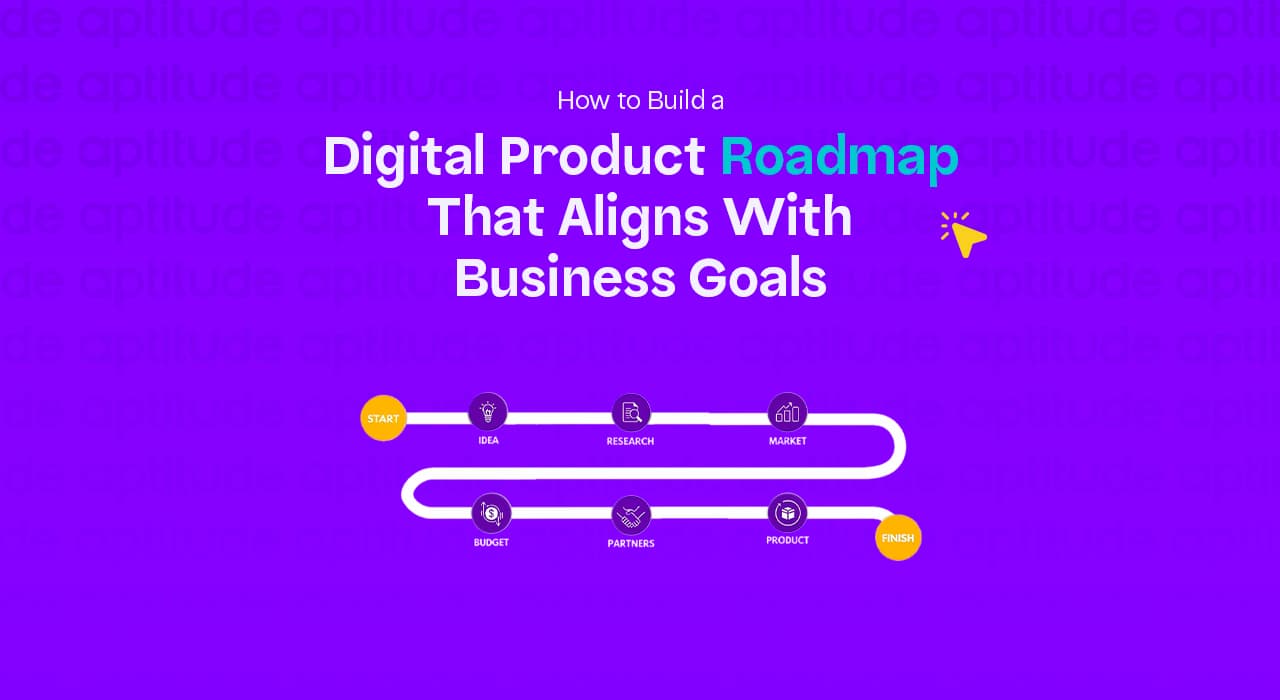
Creating a development roadmap is critical for guiding a project's direction. It outlines key milestones and aligns the team's efforts. A clear roadmap keeps everyone focused on shared goals.
Planning a successful roadmap involves anticipating future needs. It should include both short-term and long-term objectives. This helps teams prepare for inevitable changes in market conditions or priorities.
An effective roadmap should cover the following elements:
- Vision and Objectives: Clear goals and purpose for the product.
- Milestones: Key project checkpoints to track progress.
- Timelines: Realistic schedules for achieving each milestone.
- Resource Allocation: Planning manpower and budget distribution.
- Risk Assessment: Identifying potential obstacles and mitigation strategies.
Developing a roadmap enhances communication across teams, ensuring all members work cohesively. It acts as a strategic guide, helping to navigate complexities in product development.
Product Lifecycle Stages: Growth, Maturity, and Beyond
Every product goes through distinct lifecycle stages that define its market trajectory. The growth phase is characterized by increasing sales and market acceptance.
In the maturity stage, growth slows as the market stabilizes. Here, competition intensifies, pushing for differentiation and innovation to sustain market share.
Beyond maturity, products enter a decline phase unless revitalized. This stage requires strategies to extend product life or exit the market gracefully.
Key considerations across these stages include:
- Growth: Expanding market presence and capturing new customers.
- Maturity: Enhancing features and optimizing costs to stay competitive.
- Decline: Innovating or diversifying to adapt to market changes.
Understanding these stages helps companies make informed decisions about investment and resource allocation. It also guides strategic planning for marketing and product development.
Integrating Customer Feedback and Data Analytics
Leveraging customer feedback is crucial in the product development lifecycle. It provides insights into user needs and satisfaction. Data analytics further refines this information by revealing patterns and trends.
Analytics help discern user behavior, guiding product adjustments. Real-time data allows companies to react swiftly to changing preferences. This data-driven approach optimizes product features and user experience.
Combining feedback with analytics yields actionable insights. This fusion helps in creating products that truly resonate with the market. Companies can proactively address issues before they impact user satisfaction.
Strategies for integrating feedback and analytics include:
- Regular Surveys: Gather direct input from users.
- User Analytics: Track and analyze user interaction data.
- Feedback Loops: Continuously iterate based on data insights.
Together, these methods ensure that product development is aligned with customer expectations. This approach enhances competitiveness and long-term success in the marketplace.
Risk Management in the Product Development Lifecycle
Risk management is essential for navigating the product development lifecycle. It involves identifying potential threats early. Anticipating risks can save time and resources.
Developing a robust risk management plan helps mitigate unforeseen issues. This proactive approach involves regular risk assessments. Addressing problems early minimizes negative impacts on development.
Clear communication among team members is crucial. It ensures that everyone is aware of potential threats. This fosters a culture of transparency and preparedness.
Key strategies for effective risk management include:
- Regular Risk Assessments: Schedule frequent reviews.
- Contingency Planning: Develop backup plans for critical risks.
- Risk Mitigation Techniques: Implement strategies to reduce risk impact.
These strategies collectively enhance the resilience of the product development process. Staying vigilant and adaptive reduces uncertainty and promotes success.
The Role of Cross-Functional Teams and Collaboration
Cross-functional teams are the backbone of the product development lifecycle. They bring together diverse expertise, fostering innovation. This collaboration helps address complex challenges more effectively.
A successful team comprises members from various departments. These include engineering, marketing, and customer service. Each member contributes unique insights to the development process.
Effective collaboration relies on clear communication and shared goals. This ensures that everyone is aligned and working towards common objectives. Regular meetings and updates enhance coordination and progress tracking.
Benefits of cross-functional collaboration include:
- Enhanced Problem Solving: Diverse perspectives lead to creative solutions.
- Faster Development: Streamlined processes and reduced bottlenecks.
- Improved Product Quality: Holistic approach to design and functionality.
These advantages underscore the importance of collaboration in product development. As teams work together, they create more robust and market-ready products.
Future Trends: Navigating the Product Development Lifecycle in 2026 and Beyond
The product development landscape is continuously evolving. New technologies are shaping how products are designed and launched. Keeping up with these trends is crucial for success.
In 2026, artificial intelligence (AI) will play a pivotal role. AI can optimize product design and streamline manufacturing processes. It also enhances data analytics, offering deeper customer insights.
Sustainability is becoming a priority in product development. Companies are incorporating eco-friendly materials and processes. This shift is driven by consumer demand and regulatory pressures.
Key future trends include:
- AI-Driven Insights: Improving design and personalization.
- Sustainable Practices: Reducing environmental impact.
- IoT Integration: Creating smarter, connected products.
These trends offer opportunities for innovation and competitive advantage. Staying ahead requires embracing change and being agile in strategy.
Conclusion: Key Takeaways for Product Development Success
The product development lifecycle is no longer a linear process—it is a continuous, evolving system that demands strategic clarity, user-centered thinking, and operational discipline. From early ideation to long-term lifecycle management, each stage plays a critical role in shaping products that are not only functional but meaningful, competitive, and sustainable.
A successful product journey is anchored in a strong strategy, informed by market intelligence, and reinforced through consistent quality assurance. Iterative development, agile methodologies, and data-driven decision-making enable teams to adapt quickly, reduce risk, and continuously improve outcomes—an approach that Aptitude Digital, as a UI/UX design agency, applies to ensure products are built around real user needs and business objectives. Equally important is collaboration across cross-functional teams, ensuring alignment between design, engineering, business, and customer needs.
As we move through 2026 and beyond, the organizations that thrive will be those that treat product development as a living process—one that embraces emerging technologies, prioritizes user experience, and plans for long-term evolution rather than short-term delivery. By mastering the full lifecycle and executing with foresight and flexibility, businesses can build products that remain relevant, resilient, and impactful in an increasingly dynamic market.
Frequently Asked Questions (FAQs)
What are the main stages of the product development lifecycle?
Main stages of the product development lifecycle include ideation, market analysis, design and development, prototype testing, product launch, and lifecycle management. Each stage ensures the product meets customer needs, maintains quality standards, and remains competitive as markets and technologies evolve.
Why is quality assurance important throughout the product development lifecycle?
Quality assurance is critical throughout the product development lifecycle because it prevents defects early, ensures regulatory compliance, and improves user experience. Continuous QA reduces costly rework, increases reliability, and helps teams deliver high-quality products faster in agile and iterative development environments.
How does agile methodology improve the product development lifecycle?
Agile methodology improves the product development lifecycle by enabling iterative releases, faster feedback loops, and continuous improvement. It allows teams to adapt quickly to market changes, prioritize customer needs, reduce risk, and deliver functional product updates in shorter development cycles.
What role does market analysis play in product development success?
Market analysis plays a vital role by identifying customer needs, industry trends, and competitive gaps. It helps teams reduce risk, validate product ideas, guide design decisions, and adjust strategies throughout the lifecycle, ensuring the product remains relevant and commercially viable.
How can companies sustain a product after launch in 2026?
Companies sustain a product after launch through effective lifecycle management, continuous customer feedback, data analytics, and regular feature updates. By monitoring performance and adapting to market changes, businesses extend product lifespan, maintain competitiveness, and maximize long-term value.